Skip to content

Completed project

Avery Posey, PhD

University of Pennsylvania

Polysialic acid-specific CAR T-cells for the treatment of neuroblastoma

Dr. Posey aims to reduce toxicity and increase efficacy of neuroblastoma treatment by training immune cells to seek and destroy neuroblastoma while ignoring the normal cells of the body.

CureSearch Young Investigator Award

2018–2020 · Neuroblastoma

Avery Posey, PhD

Neuroblastoma is a devastating pediatric solid tumor that is diagnosed in nearly 700 children each year. Neuroblastoma is most frequently diagnosed in very young children, by the age of 5 and the median age of diagnosis is 18 months. Though general 5-year survival for neuroblastoma is 80%, in patients with high-risk disease, survival is approximately 50%. While current immunotherapy options for neuroblastoma result in an increase in survival, treatment-related side-effects, including severe pain, limit how much the therapy can be used. Such side-effects demonstrate the necessity of new therapies that are both effective and safe.

Dr. Posey aims to reduce toxicity and increase efficacy of neuroblastoma treatment by training immune cells to seek and destroy neuroblastoma while ignoring the normal cells of the body. A novel target for immunotherapy in neuroblastoma is poly-sialic acid (polySia). PolySia is absent in normal tissues post-embryonic development and reemerges during tumor development and progression. High expression of polySia is correlated with poor prognosis. PolySia expression increases tumor migration and proliferation in vitro and the promotion of tumor cell dissemination, invasion, and metastasis in vivo. Dr. Posey will develop a novel CAR T-cell therapy targeting polySia for the treatment of pediatric neuroblastoma.

Project at a glance

Program
Young Investigator Award
Institution
University of Pennsylvania
Focus
Neuroblastoma

Follow the project’s progress.

Project Update

As of June 2020, Dr. Posey has developed four CARTs.

He has identified a lead construct that induces potent cytotoxicity against neuroblastoma. With an optimized CAR molecule, he has begun to evaluate the anti-tumor efficacy of this therapy in xenograft mouse models.

Help move the next discovery forward

Research progress happens one milestone at a time.

Your support helps researchers test, refine, and advance better treatment ideas for children with cancer.

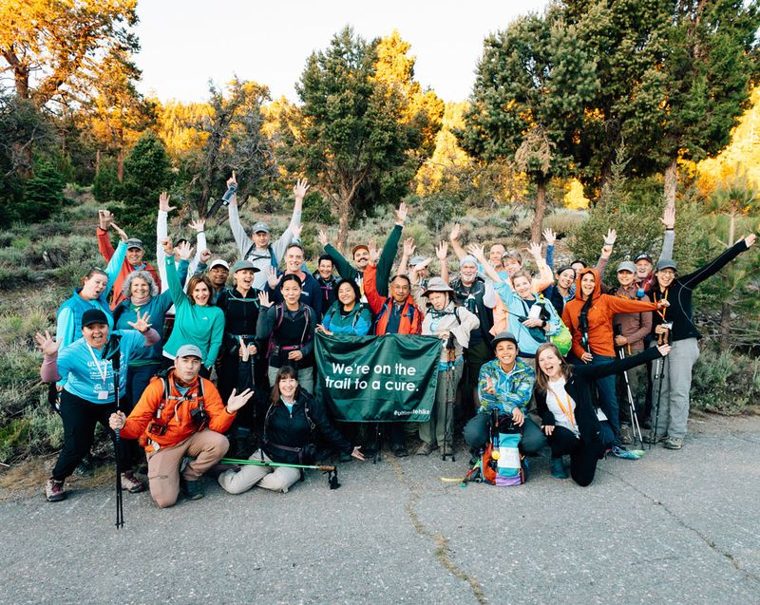
Ultimate Hike participants cheering together on the trail
Kids carrying a banner at a CureSearch Walk
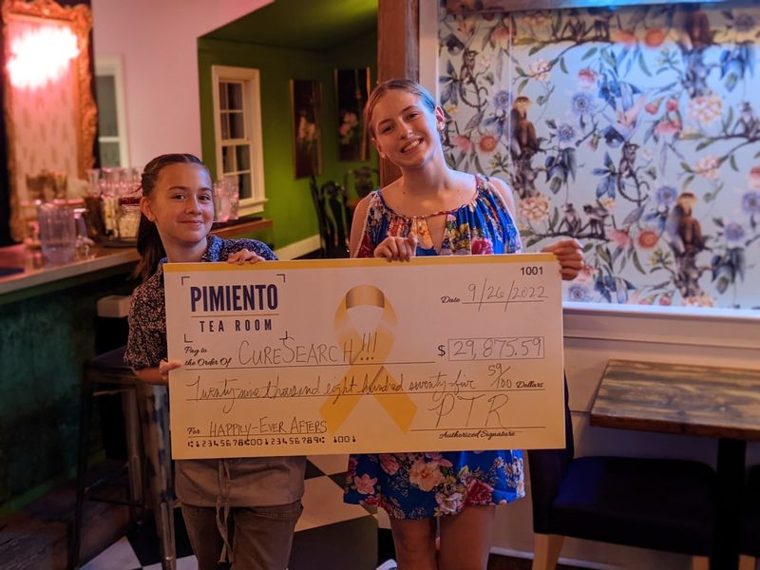
Supporters holding a donation check from a local fundraiser
A young Ultimate Hike participant on the trail
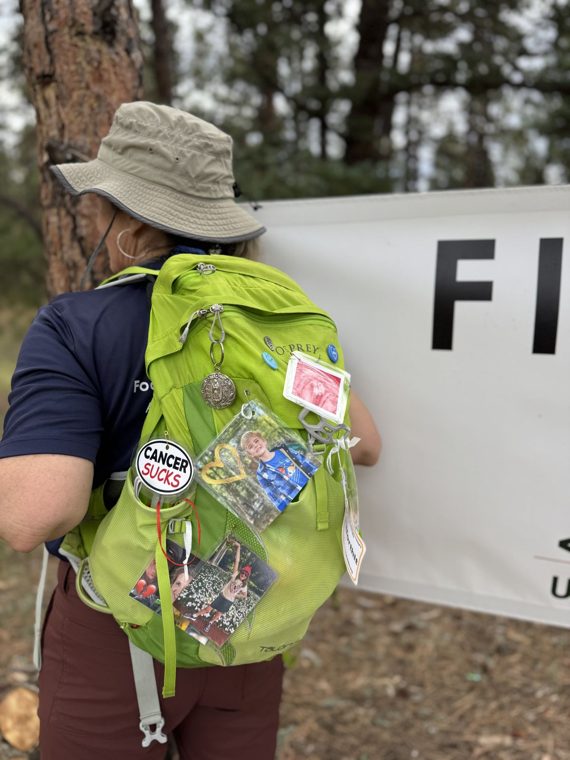
A hiker wearing a backpack covered in CureSearch pins

Share Your Story

Every connection to CureSearch has a story. We’d love to hear yours.

Whether you’ve hiked, given, volunteered, or lived this journey yourself, your story is part of ours.

Share Your Story