Young Investigator Award
Fueling the next generation of pediatric cancer research.
CureSearch’s Young Investigator Awards support innovative pediatric cancer research led by early-career scientists. These awards are designed to help promising investigators pursue bold ideas with the potential to become better, safer treatments for children.
A program built for momentum
Transformational ideas need room to grow.
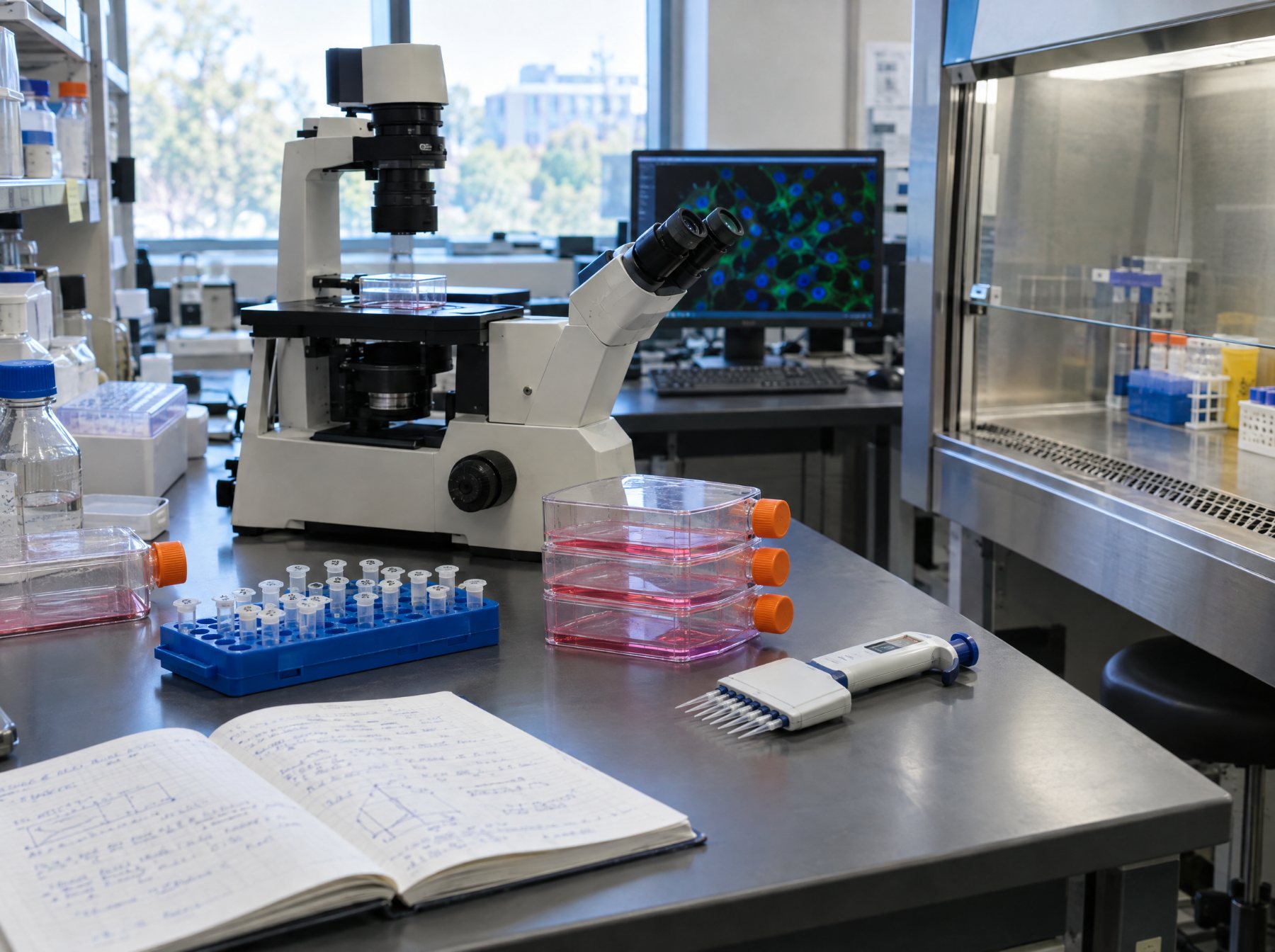
In addition to research funding, the Young Investigator program helps researchers build momentum at a pivotal stage in their careers through mentorship, educational programming, and connection to CureSearch’s broader research community.
Active projects
Currently funded investigators
Meet the researchers leading currently funded Young Investigator projects and advancing innovative ideas with the potential to improve outcomes for children with cancer.
-

Active
Kathryn Taylor, PhD
Memorial Sloan Kettering Cancer Center
The Role of Neuronal Activity in Diffuse Hemispheric Glioma
-

Active
John Prensner, MD, PhD
University of Michigan
Open Reading Frames in ATRT Biology and Therapeutic Response
-

-

Active
Hunter Jonus, PhD
Emory University School of Medicine
Driving Tumor Infiltration and Persistence of γδ T Cell Therapies for Neuroblastoma
-
Active
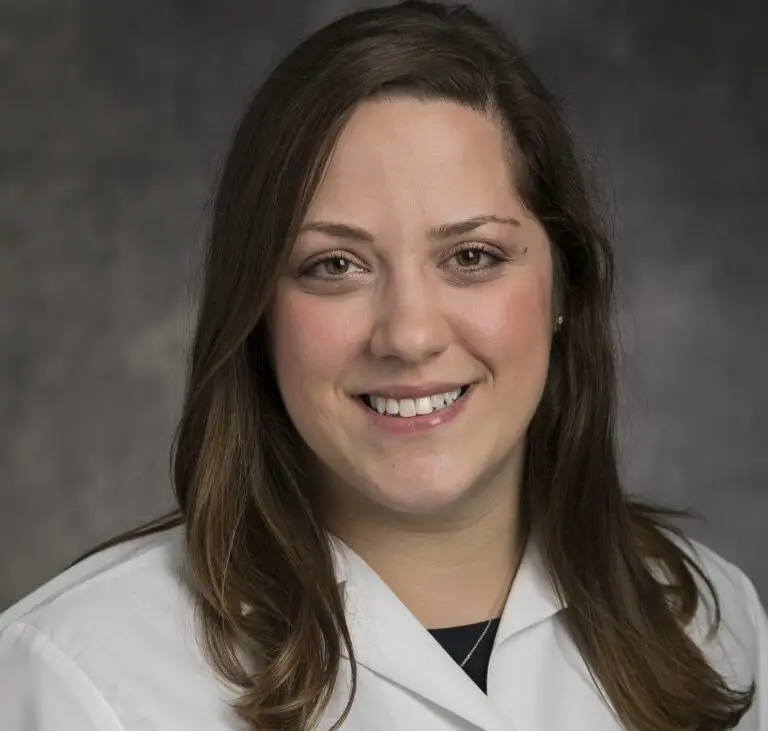
Kristen VanHeyst, DO
University Hospitals Rainbow Babies & Children’s Hospital
Tumor Microenvironment Modulation as an Effective Therapy for Osteosarcoma
Completed projects
Explore the research portfolio.
Search or browse the full archive of previously funded investigators, institutions, and projects.
-

Elvin Wagenblast, PhD
Icahn School of Medicine at Mount Sinai
Targeting Therapy Resistance in NUP98-NSD1 Rearranged Childhood Leukemia
-

Francesca Nazio, PhD
University of Rome
Targeting autophagy to boost the immune response against medulloblastoma
-

Jamie Anastas, PhD
Baylor College of Medicine
Combinatorial targeting of HDACs and LSD1 to treat pediatric brain tumors
-

Joanna Gell, MD
Connecticut Children’s
Development of a targeted compound for the germ cell tumor marker PRDM14
-

Mark Kohler, MD, PhD
Children’s Hospital Colorado
Multi-antigen targeting CAR T cells for relapsed/refractory pediatric AML
-
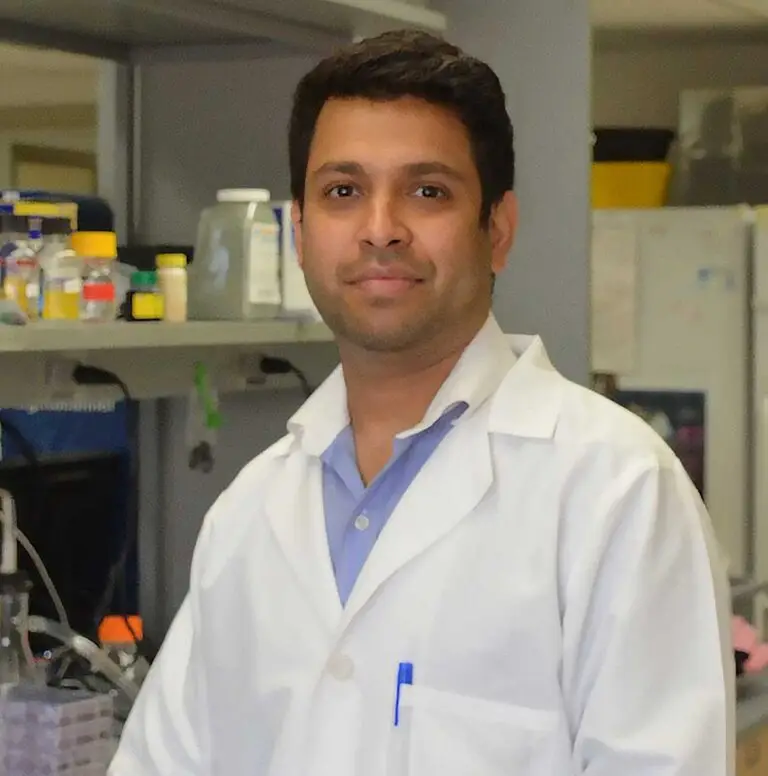
Ranjith Menon Muraleedharan, PhD; Ranjit Bindra, MD, PhD
Yale University
Exploiting metabolic defects with NAMPT inhibitors in DIPG
-

Adam Durbin, MD, PhD
Dana-Farber Cancer Institute
Novel agents targeting EP300-regulated transcription in neuroblastoma
-

Kathryn Lemberg, MD, PhD
Johns Hopkins University
JHU395: A glutamine antagonist for malignant peripheral nerve sheath tumor
-

Avery Posey, PhD
University of Pennsylvania
Polysialic acid-specific CAR T-cells for the treatment of neuroblastoma
-

Loretta Li, MD
Dana-Farber Cancer Institute
JAK2 inhibition and degradation in B-cell acute lymphoblastic leukemia
-

Abby Rosenberg, MD, MS
Seattle Children’s Hospital
Promoting Resilience in Stress Management (PRISM): A Novel Intervention
-

-

Anthony Graves, MD, PhD
Children’s Hospital of Pittsburgh / University of Pittsburgh
Therapeutically Targeting OPA1 in N-Myc Amplified Neuroblastoma
-

Birgit Knoechel, MD, PhD
Dana-Farber Cancer Institute
Epigenetic Mechanisms of Resistance in T-cell Acute Lymphoblastic Leukemia
-

Kara Davis, DO
Stanford University
Single-Cell Characterization of Phenotype and STAT Signaling in BCP ALL
-

Ranjit Bindra, MD, PhD
Yale University
Identification of Novel Targeted Agents for Alveolar Rhabdomyosarcoma
-

Alex Kentsis, MD, PhD
Memorial Sloan Kettering Cancer Center
Tumorigenesis by Endogenous DNA Transposons in Rhabdoid Tumors
-

Chris Porter, MD
University of Colorado
Functional Genomic Screening to Identify Novel Targets for IKZF Mutated ALL
-

Chrystal Louis, MD, MPH
Texas Children’s Hospital
Phase II Feasibility Study Using EBV-CTL in Newly Diagnosed NPC
-

-

Debanjan Dhar, PhD
University of California, San Diego
Mechanistic Characterization of Tumor Initiating Cells that Give Rise to Hepatocellular Carcinoma
-

Eric Raabe, MD, PhD
Johns Hopkins University
Determining the Role of H3FA Mutations in Diffuse Intrinsic Pontine Glioma
-
-

Lynda Vrooman, MD
Dana-Farber Cancer Institute
Bone Fracture in Pediatric and Adolescent Survivors of Childhood Cancer
-

-

Meenakshi Hegde, MD
Baylor College of Medicine
Adoptive Immunotherapy Targeting Antigen Escape Variants in Osteosarcoma
-
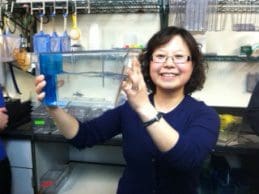
Shizhen Zhu, MD, PhD
Mayo Clinic
Role of SHP2 signaling in the Pathogenesis of High-Risk Neuroblastoma
No completed projects match your search.
A Young Investigator’s perspective
“The pediatric cancer research community is a special place where scientists, physicians and foundations join together to tackle the toughest problems facing children with cancer. I marvel at the progress that we can make together and I’m encouraged by the results that we are seeing. This CureSearch award will be important for us to continue to develop a new understanding of the childhood cancer genome for atypical teratoid/rhabdoid tumor, which is a highly aggressive brain cancer of young children.”
Where this award fits
The research continuum
Bringing a new cancer treatment to children is a complex journey that requires multiple steps, specialized expertise, and significant investment. CureSearch funds research across the continuum, with each award program addressing different stages of development.
- 1 Basic Research Understand cancer biology
- 2 Drug Design Identify and validate targets
- 3 Preclinical Development Evaluate safety and efficacy
- 4 Early Clinical Trials Phase I and early Phase II trials
- 5 Later Clinical Trials & Approval Phase II/III trials and regulatory review
Young Investigator Award
Primary position: Drug Design
Supports innovative pediatric cancer research led by early-career investigators, with awards up to $225K over three years.
Fund the next discovery
Help support the next generation of breakthroughs.
Your support helps early-career investigators pursue innovative pediatric cancer research and build the foundation for long-term careers in the field. Together, we can invest in the scientists and ideas that could lead to better treatments for children with cancer.