Skip to content

Active project

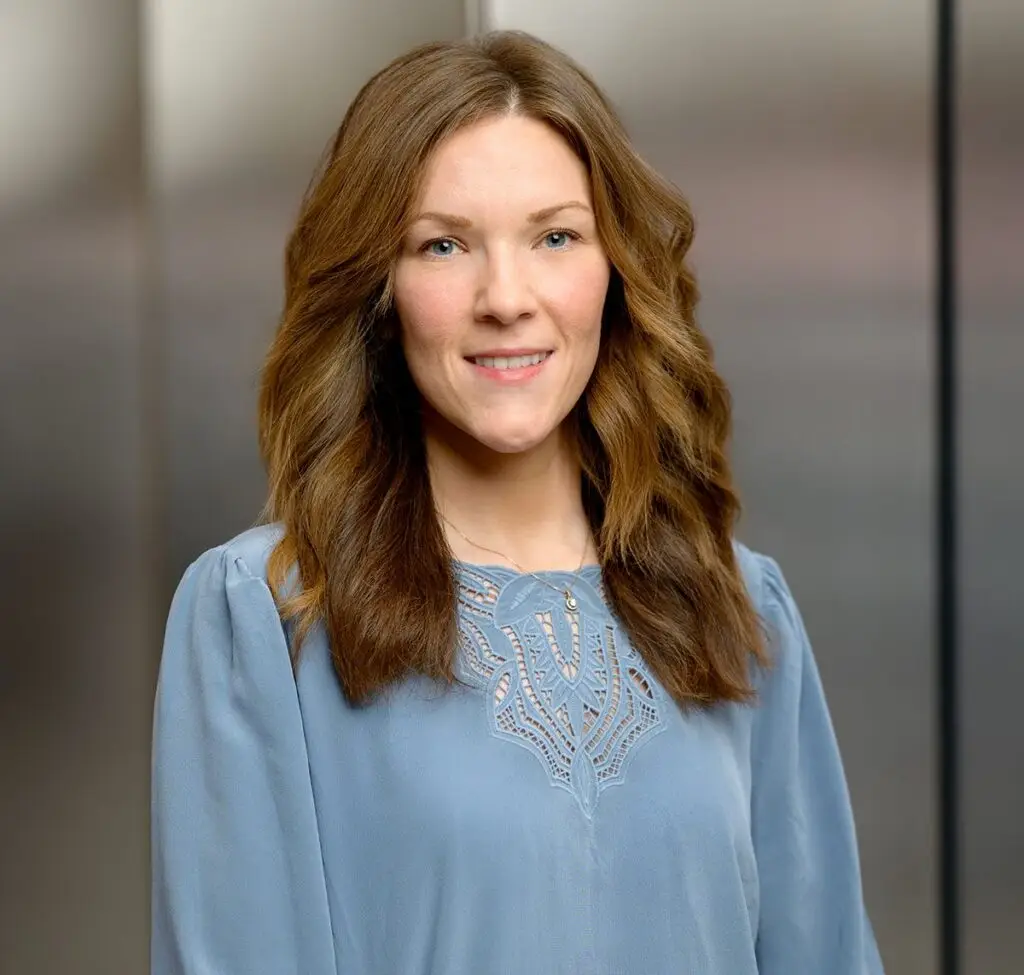
Kathryn Taylor, PhD

Memorial Sloan Kettering Cancer Center

The Role of Neuronal Activity in Diffuse Hemispheric Glioma

Dr. Taylor is studying how diffuse hemispheric glioma cells interact with neurons and use the brain’s electrical activity to support tumor growth. Her work aims to identify existing neuromodulatory drugs that could disrupt this communication and become new treatment strategies for adolescents with this aggressive brain tumor.

CureSearch Young Investigator Award

2026–2028 · Diffuse Hemispheric Glioma (DHG)

Kathryn Taylor, PhD

High-grade gliomas (HGG) are a group of aggressive and difficult-to-treat brain tumors with a 5-year survival rate of about 20%, a statistic that has remained largely unchanged for decades. Diffuse hemispheric glioma, H3G34-mutant (DHG-H3G34), is a subtype of HGG that forms in the cerebral hemispheres, the upper parts of the brain responsible for thinking, speaking, and movement. It primarily affects adolescents, with most diagnoses occurring around ages 15 to 16, and can quickly lead to severe neurological symptoms that drastically impact quality of life. Standard treatments such as surgery, radiation, and chemotherapy are not curative, resulting in an average survival time of only 18 to 22 months. Despite accounting for more than 30% of pediatric or adolescent hemispheric HGGs, DHG-H3G34 remains largely understudied, and little is known about how to effectively target it.

Dr. Kathryn Taylor, a promising CureSearch Young Investigator at Memorial Sloan Kettering Cancer Center, is working to better understand and treat this disease. Her research focuses on understanding how cancer cells interact with neurons, the brain and nervous system cells that transmit electrical signals controlling everything from thought to movement. Recent studies have shown that some brain cancers can hijack these normal electrical signals, forming connections with nearby neurons and using the brain’s own activity to fuel their growth and spread to new areas. Dr. Taylor believes that understanding this process can be leveraged to create better treatment strategies for brain cancers like DHG-H3G34.

With CureSearch funding, Dr. Taylor will investigate how DHG-H3G34 tumors take advantage of the brain’s electrical activity to fuel tumor growth and disease progression. Using neuroscience techniques and donated tumor tissue from patients, she will study how these cancer cells respond to and connect with active neurons. By uncovering these connections, Dr. Taylor aims to identify existing, clinically available neuromodulatory drugs that could disrupt this communication and test whether they can slow or stop tumor growth. This research will not only deepen understanding of how this devastating disease functions but also open the door to repurposing existing drugs as new treatment options, bringing much needed hope to patients and families facing DHG-H3G34.

Project at a glance

Program
Young Investigator Award
Institution
Memorial Sloan Kettering Cancer Center
Focus
Diffuse Hemispheric Glioma (DHG)

Kathryn Taylor, PhD

Dr. Kathryn Taylor is an Assistant Member in the Cancer Biology & Genetics Program at Memorial Sloan Kettering Cancer Center, with a joint appointment in the Department of Pediatrics at Memorial Hospital. Her research interests focus on identifying effective treatment options for pediatric and young adult cancers.

Dr. Taylor earned her Ph.D. in Oncology from the Institute of Cancer Research, University of London, where she trained with Prof. Chris Jones. Her research investigated the genomic landscape of diffuse intrinsic pontine glioma (DIPG), leading to the discovery of a novel oncogene, ACVR1. Dr. Taylor then completed her postdoctoral training with Prof. Michelle Monje at Stanford University, investigating neuron-glioma interactions and the mechanisms by which malignant synaptic plasticity drives pediatric glioma progression.

Current research in the Taylor lab interrogates the influence of the nervous system on the development and progression of developmental malignancies. Using a multi-disciplinary approach within the emerging field of cancer neuroscience, the lab leverages neuroscience tools and techniques to identify neuromodulatory approaches for novel therapeutic strategies.

Follow the project’s progress.

Research Update — June 2026

In the first six months of her Young Investigator Award, Dr. Taylor has made significant progress toward understanding how brain activity fuels the growth of diffuse hemispheric glioma, H3G34-mutant (DHG-H3 G34), an aggressive brain tumor that primarily affects adolescents.

Using patient-derived tumor models, her team demonstrated that signals released by active brain cells directly promote the growth and spread of these tumors. Additionally, they identified several cellular pathways activated by these signals that may represent promising new therapeutic targets and developed innovative tools to further investigate how communication between brain cells and tumor cells drives disease progression. These discoveries provide an important foundation for the next phase of the project, during which the team will test clinically available neuromodulatory drugs to determine whether disrupting communication between brain cells and tumor cells can slow tumor growth. If successful, this work could accelerate the development of new treatment options for children and young adults with this devastating disease.

Help move the next discovery forward

Research progress happens one milestone at a time.

Your support helps researchers test, refine, and advance better treatment ideas for children with cancer.

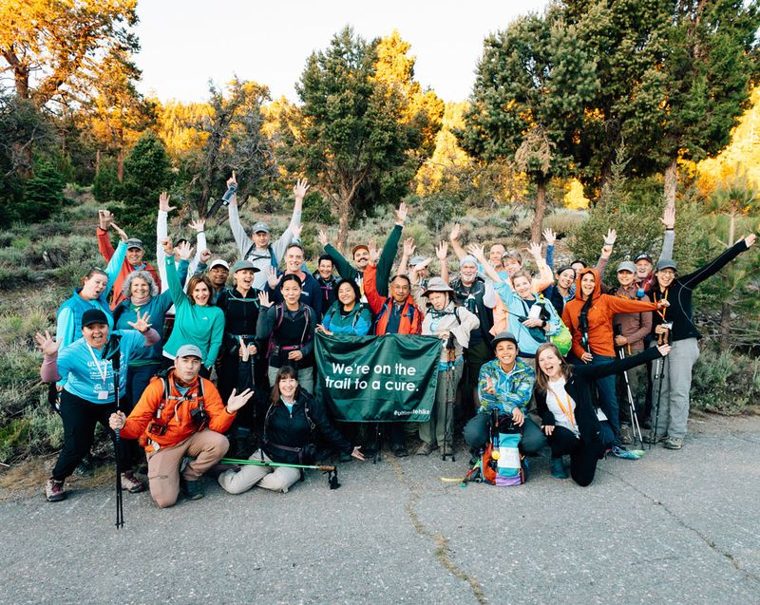
Ultimate Hike participants cheering together on the trail
Kids carrying a banner at a CureSearch Walk
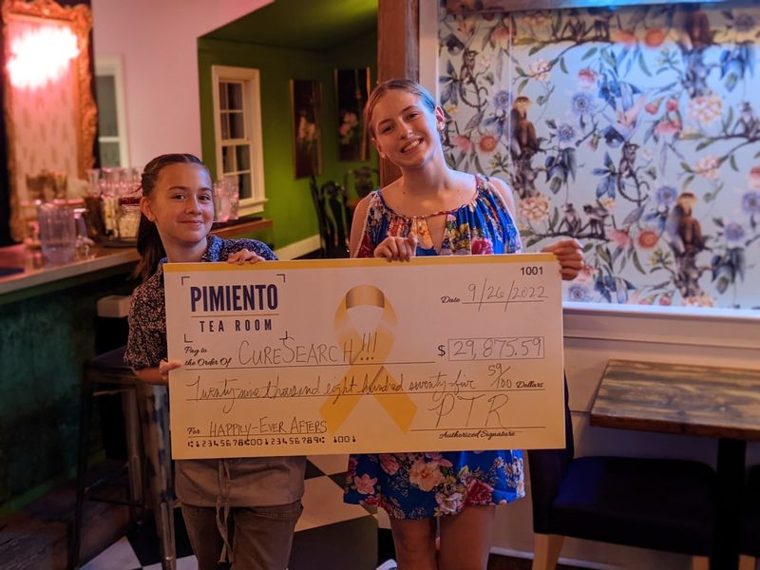
Supporters holding a donation check from a local fundraiser
A young Ultimate Hike participant on the trail
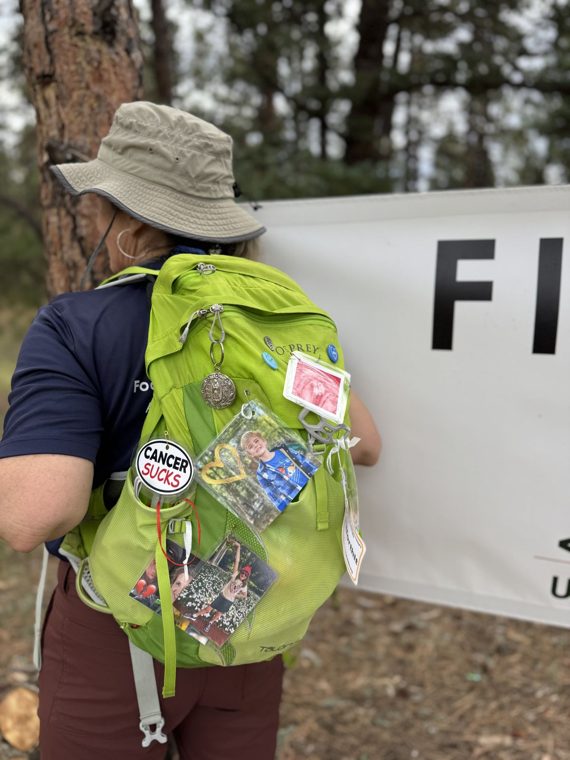
A hiker wearing a backpack covered in CureSearch pins

Share Your Story

Every connection to CureSearch has a story. We’d love to hear yours.

Whether you’ve hiked, given, volunteered, or lived this journey yourself, your story is part of ours.

Share Your Story