Skip to content

Scientific Advisory Council

CureSearch’s Scientific Advisory Council (SAC) brings together pediatric oncologists and scientists whose expertise helps shape our research priorities and guide our funding decisions. Members evaluate the scientific promise of proposed research and help identify opportunities to address unmet needs in childhood cancer.

Working alongside our Scientific Review Committee and Industry Advisory Council, they bring an essential scientific perspective to a review process designed to move promising research toward better treatments for children.

Scientific Advisory Council

Meet the Council

  • Chair, Scientific Advisory Council

    Vice President of Clinical Research Industry Engagement
    St. Jude Children’s Research Hospital

  • Executive Director, Children’s Cancer Institute
    Co-Director, Minderoo Children’s Comprehensive Cancer Centre

  • Associate Director for Pediatric Oncology and Rare Cancers
    U.S. Food and Drug Administration

  • Senior Vice President, Clinical Trials Research
    Associate Director for Clinical Research, Comprehensive Cancer Center
    St. Jude Children’s Research Hospital

  • Director, UF Health Cancer Institute
    Phyllis Kottler Friedman Professor of Neurosurgery
    Co-Director, Preston A. Wells Jr. Center for Brain Tumor Therapy
    University of Florida

  • Professor of Pediatrics, Hematology/Oncology and Bone Marrow Transplantation
    Leukemia/Lymphoma Program Leader
    University of Colorado School of Medicine / Children’s Hospital Colorado

  • Director, Texas Children’s Cancer and Hematology Center
    Chief, Division of Hematology-Oncology, Department of Pediatrics
    Baylor College of Medicine

  • Retired Professor of Paediatric Oncology
    The Institute of Cancer Research and The Royal Marsden

  • Vice Chair for Pediatric Oncology, Sidney Kimmel Comprehensive Cancer Center
    Director, Division of Pediatric Oncology, Johns Hopkins Children’s Center
    Professor of Oncology and Pediatrics
    Johns Hopkins University School of Medicine

  • Associate Professor of Pediatrics, The Ohio State University
    Principal Investigator, Center for Childhood Cancer
    Nationwide Children’s Hospital

  • Director, Department of Pediatric Hematology and Oncology
    University Children’s Hospital Münster
    Affiliated Group Leader, Princess Máxima Center for Pediatric Oncology

  • Senior Investigator, Pediatric Oncology Branch
    Head, Tumor Evolution and Genomics Section
    Center for Cancer Research, National Cancer Institute

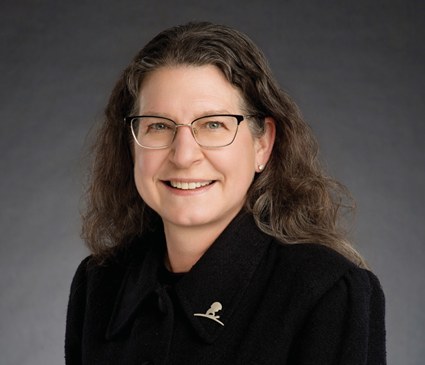
Chair, Scientific Advisory Council

Brenda Weigel, MD

Vice President of Clinical Research Industry Engagement
St. Jude Children’s Research Hospital

Dr. Brenda Weigel is Vice President of Clinical Research Industry Engagement at St. Jude Children’s Research Hospital, where she is responsible for industry engagement. Her work focuses on advancing new therapies for children with cancer, drawing on extensive experience in pediatric oncology and clinical research.

Before joining St. Jude, Dr. Weigel directed the Division of Pediatric Hematology and Oncology at the University of Minnesota. She was a professor with appointments in the Department of Pediatrics and Masonic Cancer Center, served as co-director of the center’s sarcoma program, and held the Lehman/Children’s Cancer Research Fund Endowed Chair in Pediatric Cancer.

From 2013 to 2024, she chaired the Children’s Oncology Group (COG) Developmental Therapeutics Committee. She also chaired the National Cancer Institute–funded Pediatric Early Phase Clinical Trials Network. Her work with COG includes involvement in the Soft Tissue Sarcoma Committee and leadership of clinical trials for rhabdomyosarcoma.

Dr. Weigel earned her medical degree at McMaster University, completed her pediatrics residency at the University of Western Ontario, and completed her fellowship in pediatric hematology, oncology, and bone marrow transplantation at the University of Minnesota.

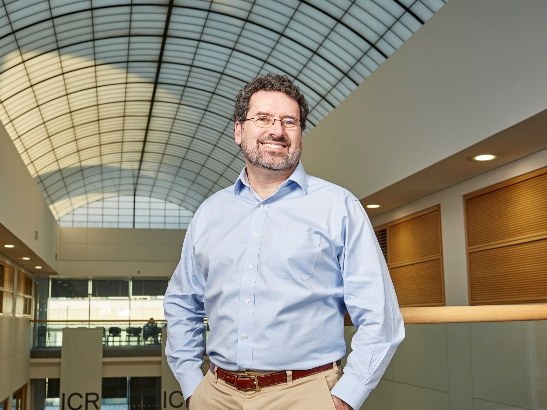
Louis Chesler, MD, PhD, FRCPCH

Executive Director, Children’s Cancer Institute
Co-Director, Minderoo Children’s Comprehensive Cancer Centre

Dr. Louis Chesler is Executive Director of Children’s Cancer Institute in Sydney, Australia, and a physician-scientist whose work connects the biology of childhood cancer with the development of new treatments. His research focuses on high-risk childhood cancers, including neuroblastoma and medulloblastoma, and on approaches that match treatment to the molecular features of a child’s cancer.

He joined Children’s Cancer Institute in December 2025. His previous roles include Professor of Childhood Cancer Biology and Therapeutics at The Institute of Cancer Research (ICR) in London and honorary pediatric oncology consultant at The Royal Marsden. He founded and led the Centre for Paediatric Oncology Experimental Medicine, bringing together cancer models, preclinical drug development, molecular profiling, and early-phase clinical trials. He retains a part-time appointment as Professor of Paediatric Oncology at ICR.

Dr. Chesler’s research includes therapeutic targeting of MYC, MYCN, and ALK and the use of tumor tissue and liquid biopsies to understand childhood cancer biology and relapse. He developed and led the United Kingdom’s Stratified Medicine Paediatrics program to investigate the molecular mechanisms of relapse and help guide patients toward new therapies. His clinical development work has included fadraciclib, a CDK2/9 inhibitor evaluated through the ITCC eSMART program, and lorlatinib, an ALK inhibitor studied through the New Approaches to Neuroblastoma Therapy consortium.

His international collaborations have included the Innovative Therapies for Children with Cancer consortium, ACCELERATE, and the SIOP Europe Neuroblastoma Group. He has also served on Cancer Research UK funding panels. At Children’s Cancer Institute, he leads an organization that jointly leads Australia’s ZERO Childhood Cancer precision medicine program with the Kids Cancer Centre at Sydney Children’s Hospital, Randwick.

Dr. Chesler earned his medical and doctoral degrees at Northwestern University through its Medical Scientist Training Program. He completed postdoctoral research at the National Cancer Institute, clinical training in pediatric hematology and oncology at the University of California, San Francisco, and Children’s Hospital Oakland, and further postdoctoral research at UCSF.

Martha Donoghue, MD

Associate Director for Pediatric Oncology and Rare Cancers
U.S. Food and Drug Administration

Dr. Martha Donoghue supports the development and regulatory evaluation of treatments for pediatric cancers and rare cancers affecting children and adults. Her work at the U.S. Food and Drug Administration spans regulatory review, pediatric oncology policy, and implementation of pediatric drug development requirements.

She joined the FDA in 2009. Her previous roles include serving as a clinical reviewer in the Division of Biologic Oncology Products and working with the Neuro-Oncology, Pediatric Solid Tumor, and Rare Tumors team in the Division of Oncology Products 2.

Her contributions have included work on drug approvals for pediatric and rare cancers, development of pediatric oncology guidance, and helping establish the Oncology Subcommittee of the FDA’s Pediatric Review Committee.

Elizabeth Fox, MD

Senior Vice President, Clinical Trials Research
Associate Director for Clinical Research, Comprehensive Cancer Center
St. Jude Children’s Research Hospital

Dr. Elizabeth Fox brings expertise in pediatric oncology, quantitative clinical and preclinical pharmacology, and clinical trial design. Her work connects laboratory evidence with the evaluation of new treatments and includes developing biomarker-based endpoints to assess treatment response and toxicity.

She joined St. Jude Children’s Research Hospital in January 2020, where she leads regulatory activities, clinical trial operations, and clinical research prioritization and strategy.

Dr. Fox chairs the Children’s Oncology Group Developmental Therapeutics Committee and the National Cancer Institute–funded Pediatric Early Phase Clinical Trials Network (PEP-CTN). Her approach integrates animal models with preclinical and clinical pharmacology to evaluate new agents, develop innovative trial designs, and improve standard therapies for children with cancer.

Duane A. Mitchell, MD, PhD

Director, UF Health Cancer Institute
Phyllis Kottler Friedman Professor of Neurosurgery
Co-Director, Preston A. Wells Jr. Center for Brain Tumor Therapy
University of Florida

Dr. Duane Mitchell develops immunotherapies for adults and children with malignant brain tumors. His work spans laboratory discovery and clinical translation, including treatments advanced into first-in-human trials and multicenter phase II studies.

He became director of the UF Health Cancer Institute in September 2026 and holds the Phyllis Kottler Friedman Professorship in the Department of Neurosurgery at the University of Florida. He also serves as co-director of the Preston A. Wells Jr. Center for Brain Tumor Therapy, where he has led translational brain tumor research since joining UF in 2013. He previously directed the UF Clinical and Translational Science Institute.

Before moving to Florida, Dr. Mitchell served on the Duke University faculty as director of preclinical research at the Preston Robert Tisch Brain Tumor Center and associate director of the Duke Brain Tumor Immunotherapy Program. His research has received support from the National Institutes of Health, the Department of Defense, and private foundations, and he is an inventor on patents for novel cancer therapeutics.

His honors include a 2016 Top 10 Clinical Research Achievement Award from the Clinical Research Forum, election to the American Society for Clinical Investigation in 2019, and induction into the Academy of Science, Engineering and Medicine of Florida in 2020. He has also served on advisory boards for government, academia, and industry.

Dr. Mitchell earned his medical and doctoral degrees through Duke University’s Medical Scientist Training Program. He completed postgraduate training in pathology and neuro-oncology research before joining the Duke faculty in 2005.

Maureen O’Brien, MD, MS

Professor of Pediatrics, Hematology/Oncology and Bone Marrow Transplantation
Leukemia/Lymphoma Program Leader
University of Colorado School of Medicine / Children’s Hospital Colorado

Dr. Maureen O’Brien develops and leads clinical trials for children with leukemia, with an emphasis on incorporating immune-based therapies into treatment and reducing short- and long-term treatment toxicities. Her work includes acute lymphoblastic leukemia (ALL) and acute myeloid leukemia (AML).

She is a professor of pediatrics at the University of Colorado School of Medicine and leads the Leukemia/Lymphoma Program at Children’s Hospital Colorado. Before joining Colorado, she served as medical director of the Leukemia/Lymphoma Program at Cincinnati Children’s Hospital Medical Center.

Dr. O’Brien has served as principal investigator or co-principal investigator on multiple pediatric leukemia trials, including as study chair of the Children’s Oncology Group (COG) AALL1732 phase III trial for newly diagnosed high-risk B-cell acute lymphoblastic leukemia. Her collaborative work includes the COG ALL and AML committees and the Therapeutic Advances in Childhood Leukemia and Lymphoma (TACL) consortium.

Dr. O’Brien earned her medical degree at Harvard Medical School and completed her pediatrics residency at Boston Children’s Hospital. She completed her fellowship in pediatric hematology and oncology at Lucile Packard Children’s Hospital at Stanford, where she studied chemotherapy resistance in Dr. Branimir Sikic’s laboratory. She also earned a master’s degree in epidemiology at Stanford, studying late effects of cancer treatment, including second malignancies and cardiac toxicity.

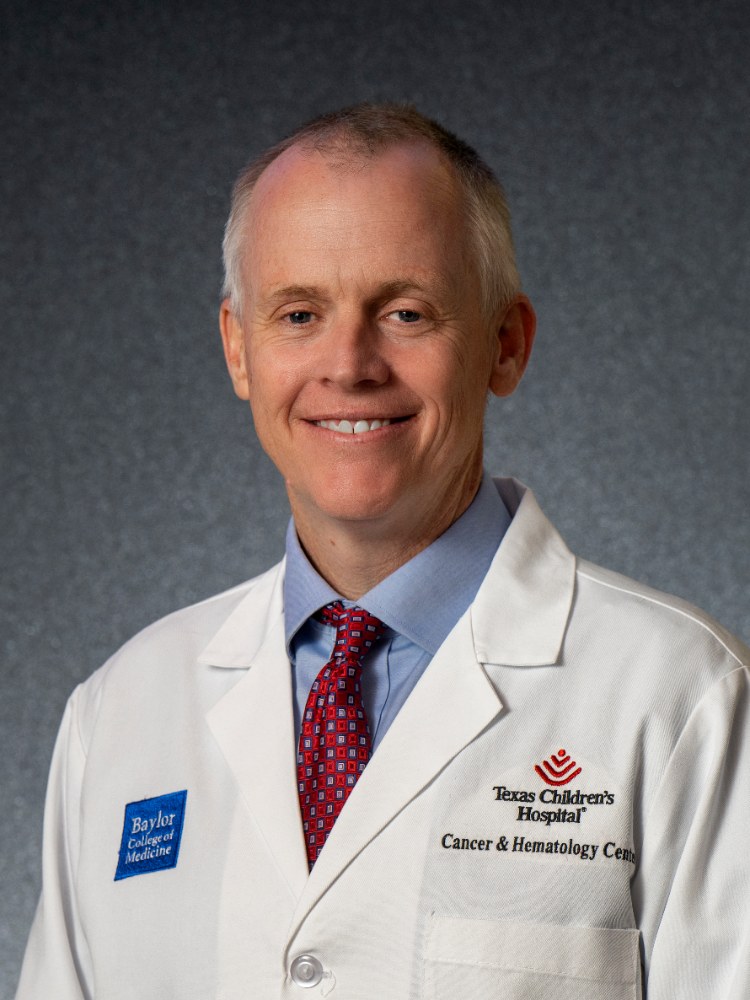
Will Parsons, MD, PhD

Director, Texas Children’s Cancer and Hematology Center
Chief, Division of Hematology-Oncology, Department of Pediatrics
Baylor College of Medicine

Dr. Will Parsons is a board-certified pediatric oncologist whose research applies cancer genomics to childhood cancer diagnosis and treatment. His work has helped characterize genetic changes in pediatric and adult cancers, including discoveries involving IDH1 and IDH2 in gliomas.

In January 2026, he became director of Texas Children’s Cancer and Hematology Center and chief of the Division of Hematology-Oncology in the Department of Pediatrics at Baylor College of Medicine. He previously served as the center’s deputy director.

Dr. Parsons has served as a principal investigator for BASIC3, which evaluated clinical sequencing in children with newly diagnosed solid tumors, and Texas KidsCanSeq, which examined genomic testing for children with newly diagnosed or relapsed cancers across Texas. These studies were supported by the National Human Genome Research Institute and the National Cancer Institute through the CSER program.

He serves as the Children’s Oncology Group study chair for NCI-COG Pediatric MATCH, a precision oncology trial evaluating molecularly targeted treatments for children and young adults with relapsed or refractory solid tumors, lymphomas, and histiocytic disorders. He is also a steering committee member for the Pediatric Early Phase Clinical Trials Network.

Dr. Parsons earned his undergraduate degree in chemistry at Princeton University and his medical and doctoral degrees at The Ohio State University. He completed his pediatrics residency at Johns Hopkins University and fellowship training in pediatric hematology-oncology and neuro-oncology at Johns Hopkins and the National Cancer Institute.

Andy DJ Pearson, MD

Retired Professor of Paediatric Oncology
The Institute of Cancer Research and The Royal Marsden

Dr. Andy Pearson has more than 40 years of experience in pediatric oncology, with expertise in neuroblastoma and the development of new cancer treatments. He previously held a Cancer Research UK Professorship in Paediatric Oncology at The Institute of Cancer Research and clinical leadership roles at The Royal Marsden, retiring from those roles in 2014. Earlier, he was Professor of Paediatric Oncology and Dean of Postgraduate Studies in the Faculty of Medical Sciences at the University of Newcastle upon Tyne.

He led the United Kingdom’s first pediatric phase I study and a pediatric drug development program at ICR and The Royal Marsden focused on neuroblastoma. He served as chief investigator of ENSG 5, which helped shape standard treatment for high-risk neuroblastoma in Europe, and BEACON, the first randomized European study for relapsed or refractory neuroblastoma.

His international leadership includes serving as founding chair of the SIOP Europe Neuroblastoma Group (SIOPEN) and co-founding the International Neuroblastoma Risk Group (INRG) with Professor Sue Cohn. He served as INRG co-chair from 2004 to 2025 and is now a senior advisor. He has also served as president of the Advances in Neuroblastoma Research Association and contributed to ITCC, ACCELERATE, and national pediatric drug-development committees.

Dr. Pearson trained at Newcastle upon Tyne and held a Lilly International/Medical Research Council Travelling Fellowship at the University of Minnesota. He received the Advances in Neuroblastoma Research Lifetime Achievement Award in 2016.

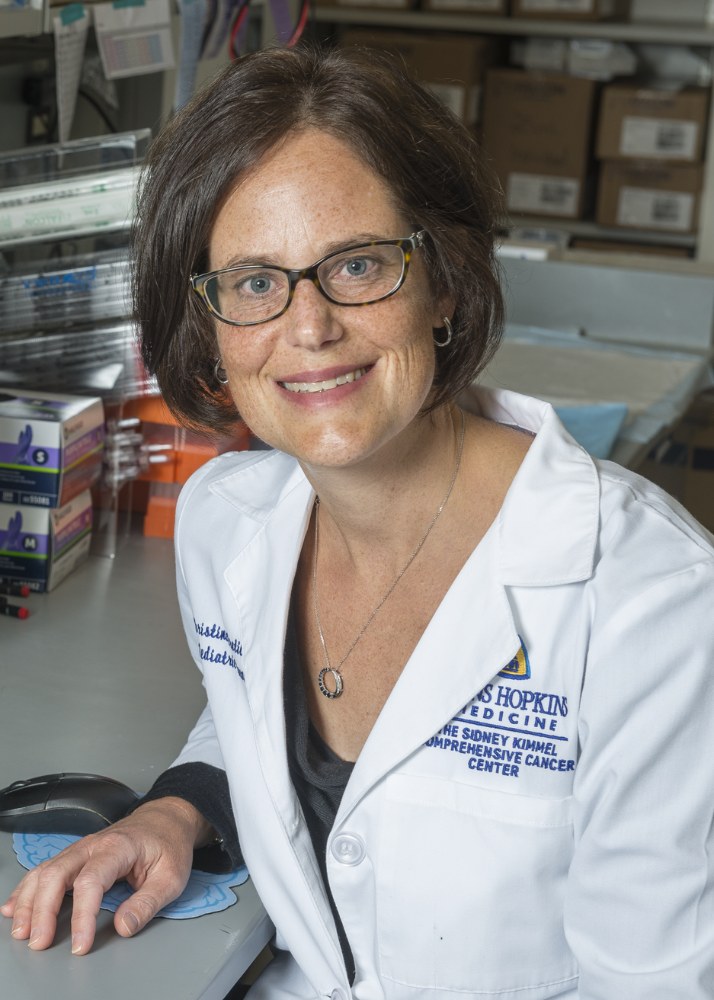
Christine A. Pratilas, MD

Vice Chair for Pediatric Oncology, Sidney Kimmel Comprehensive Cancer Center
Director, Division of Pediatric Oncology, Johns Hopkins Children’s Center
Professor of Oncology and Pediatrics
Johns Hopkins University School of Medicine

Dr. Christine Pratilas is a pediatric oncologist and professor of oncology at the Johns Hopkins University School of Medicine. She serves as Vice Chair for Pediatric Oncology at the Sidney Kimmel Comprehensive Cancer Center and Director of the Division of Pediatric Oncology at Johns Hopkins Children’s Center.

Her laboratory studies the RAS–RAF–MEK–ERK signaling pathway, particularly in pediatric sarcomas associated with NF1 loss or RAS mutations, to identify more effective targeted therapies and treatment combinations. Her work examines how cancer cells respond and adapt to pathway inhibition, which biological features predict treatment response, and how treatment combinations may overcome resistance.

Dr. Pratilas cares for children, adolescents, and young adults with sarcomas, with particular interests in rhabdomyosarcoma and malignant peripheral nerve sheath tumors. Her clinical practice also includes melanocytic neoplasms and melanoma, NF1-associated tumors outside the central nervous system, and other rare pediatric cancers. She collaborates with clinical genetics and neurofibromatosis specialists to care for children with Li-Fraumeni syndrome, neurofibromatosis type 1, RASopathies, and other cancer-predisposition syndromes.

She joined Johns Hopkins in 2014 after serving as an attending physician in pediatric oncology at Memorial Sloan Kettering Cancer Center from 2006 to 2014, where her work included developmental therapeutics and pediatric sarcomas. She has also served as director of the Pediatric Sarcoma Program at Johns Hopkins.

Dr. Pratilas earned her undergraduate degree in biology at Drew University and her medical degree at Robert Wood Johnson Medical School, where she also completed her pediatrics internship and residency. She completed fellowship training in pediatric hematology and oncology at Memorial Sloan Kettering and Weill Cornell and conducted postdoctoral research in Dr. Neal Rosen’s Molecular Oncogenesis Laboratory at Memorial Sloan Kettering.

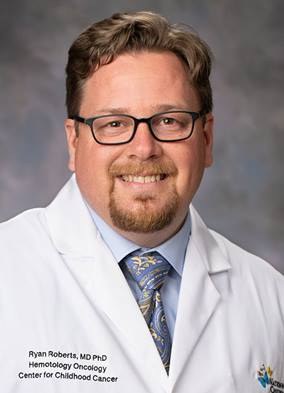
Ryan D. Roberts, MD, PhD

Associate Professor of Pediatrics, The Ohio State University
Principal Investigator, Center for Childhood Cancer
Nationwide Children’s Hospital

Dr. Ryan Roberts is a pediatric hematologist-oncologist at Nationwide Children’s Hospital and a principal investigator in the Center for Childhood Cancer Research at its Abigail Wexner Research Institute. He is also a member of the Translational Therapeutics research program at The Ohio State University Comprehensive Cancer Center – James Cancer Hospital and Solove Research Institute.

He joined the research institute’s faculty in 2016, building on a research program he developed during his residency and fellowship.

Dr. Roberts earned his medical and doctoral degrees through The Ohio State University’s Medical Scientist Training Program. He completed his pediatrics residency and fellowship in pediatric hematology, oncology, and bone marrow transplantation at Nationwide Children’s Hospital.

Claudia Rössig, MD

Director, Department of Pediatric Hematology and Oncology
University Children’s Hospital Münster
Affiliated Group Leader, Princess Máxima Center for Pediatric Oncology

Dr. Claudia Rössig develops cellular immunotherapies for children with leukemia and solid tumors. Her work connects laboratory research with the clinical development of immune-cell treatments for pediatric cancers.

She is Director of the Department of Pediatric Hematology and Oncology at University Children’s Hospital Münster in Germany. Since 2023, she has also served as an affiliated group leader at the Princess Máxima Center for Pediatric Oncology in Utrecht, the Netherlands.

Dr. Rössig earned her medical degree at the University of Lübeck and undertook clinical fellowship training at University Children’s Hospital Münster. From 1998 to 2000, she conducted postdoctoral research with Dr. Malcolm Brenner at Baylor College of Medicine’s Center for Cell and Gene Therapy in Houston. She completed her pediatric training in 2005 and obtained specialist registration in pediatric hematology and oncology in 2007.

Jack F. Shern, MD

Senior Investigator, Pediatric Oncology Branch
Head, Tumor Evolution and Genomics Section
Center for Cancer Research, National Cancer Institute

Dr. Jack Shern is a pediatric oncologist and Senior Investigator at the National Cancer Institute (NCI), where he leads the Tumor Evolution and Genomics Section within the Pediatric Oncology Branch. His clinical and research interests focus on developing effective therapies for children and adults with rare solid tumors and genetic tumor-predisposition syndromes, including neurofibromatosis type 1 (NF1).

His laboratory studies pediatric soft tissue sarcomas, particularly rhabdomyosarcoma and malignant peripheral nerve sheath tumors. Using genomic and molecular profiling approaches, including whole-genome and single-cell sequencing, his team investigates the genetic changes that drive these cancers and the tumor cell populations responsible for relapse and treatment-resistant disease. This work aims to identify targets for precision therapies.

Dr. Shern’s work with the Children’s Oncology Group has helped translate molecular findings in rhabdomyosarcoma into risk classification for clinical trials. His collaborations have also included the My Pediatric and Adult Rare Tumor Network (MyPART), the Cancer Moonshot–funded Rare Tumor Initiative, and NCI’s Childhood Cancer Data Initiative (CCDI).

Dr. Shern earned his medical degree at the Medical College of Georgia, completed his pediatrics residency at the University of Chicago, and trained in pediatric hematology and oncology through the joint Johns Hopkins University and National Cancer Institute fellowship program. He became an NIH Lasker Investigator in 2018 and received tenure at NIH in 2026.

Fund the next discovery

Help support the next generation of breakthroughs.

Ultimate Hike participants cheering together on the trail
Kids carrying a banner at a CureSearch Walk
Supporters holding a donation check from a local fundraiser
A young Ultimate Hike participant on the trail
A hiker wearing a backpack covered in CureSearch pins

Share Your Story

Every connection to CureSearch has a story. We’d love to hear yours.

Whether you’ve hiked, given, volunteered, or lived this journey yourself, your story is part of ours.

Share Your Story