
Other Solid Cancers in Children
Understanding cancers of organs and soft tissues.
Solid tumors are masses of abnormal cells that form in organs or other tissues. In children, they can develop in many parts of the body and include cancers such as neuroblastoma, Wilms tumor, rhabdomyosarcoma, retinoblastoma, and others. Brain and bone tumors are also solid tumors and are covered on our Brain Cancers and Bone Cancers pages.
Treatment depends on the type of tumor, where it develops, its biological features, whether it has spread, and how it responds to treatment. Outcomes vary widely among childhood solid tumors. Some can be treated successfully, while others remain difficult to treat, especially when they spread, return after treatment, or do not respond to therapy. Treatment can also have lasting effects on a child’s health.
CureSearch funds research focused on the childhood cancers with the greatest need for better treatment options.
Types of other childhood solid tumors
-

Neuroblastoma
Neuroblastoma develops from immature nerve cells, often in the adrenal glands above the kidneys or in nerve tissue along the spine. It most often affects infants and young children.
-
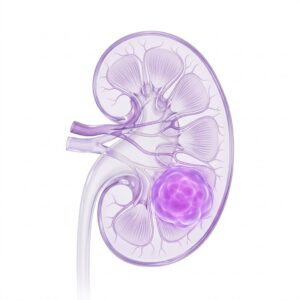
Wilms tumor
Wilms tumor is the most common kidney cancer in children. It usually affects young children and can develop in one or both kidneys.
-
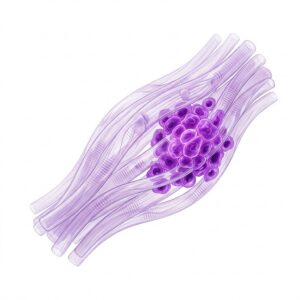
Rhabdomyosarcoma
Rhabdomyosarcoma is the most common soft tissue sarcoma in children. It can develop in many parts of the body, including the head and neck, arms and legs, and urinary or reproductive organs.
-
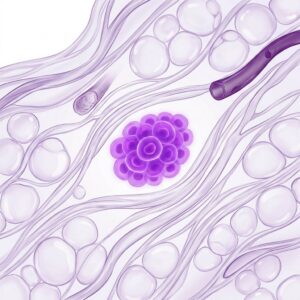
Other soft tissue sarcomas
These cancers develop in tissues that connect, support, or surround other parts of the body, such as fat, fibrous tissue, blood vessels, and nerves. Examples include synovial sarcoma, malignant peripheral nerve sheath tumor, and desmoplastic small round cell tumor.
-
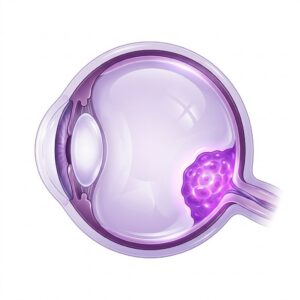
Retinoblastoma
Retinoblastoma is a cancer of the retina, the light-sensitive tissue at the back of the eye. It most often affects very young children and can involve one or both eyes.
-
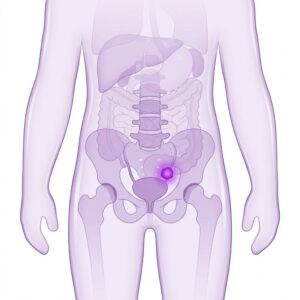
Germ cell tumors outside the brain
Germ cell tumors develop from cells that normally become eggs or sperm. Outside the brain, they can form in the ovaries, testicles, chest, abdomen, or near the tailbone. Some are cancerous and others are noncancerous.
-
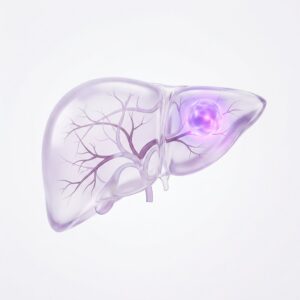
Liver cancers
Childhood liver cancers include hepatoblastoma, which most often affects very young children, and hepatocellular carcinoma, which is more common in older children and teens. Other rare types can also develop in the liver.
-
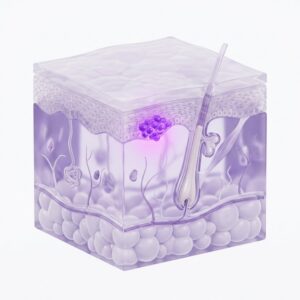
Skin cancers
Skin cancers are rare in children. Melanoma develops in the cells that give skin its color and is more common in teens than in younger children. Other types include basal cell and squamous cell carcinomas.
-
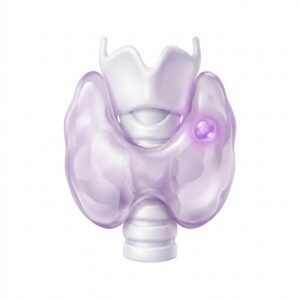
Thyroid cancer
Thyroid cancer begins in the thyroid gland, which makes hormones that help regulate how the body uses energy. It is more common in teens than in younger children; papillary thyroid cancer is the most common type.
Research for better treatments
Some solid tumors remain difficult to treat, particularly when they spread, return after treatment, or resist existing therapies. CureSearch funds research aimed at developing more effective, less-toxic treatments for children and moving promising approaches toward clinical testing.
Explore our funded solid tumor research
-

Advancing CAR T-cell therapy for neuroblastoma
Robbie Majzner, MD
CureSearch supports Dr. Majzner’s work to bring a new CAR T-cell therapy into clinical testing for neuroblastoma that has returned or resisted treatment. These engineered immune cells are designed to recognize neuroblastoma cells and sustain their cancer-fighting activity.
-
Developing a targeted therapy for neuroblastoma
Yael Mossé, MD
Dr. Mossé’s CureSearch-funded research is developing an antibody-drug conjugate (ADC) that targets ALK, a protein found on many neuroblastoma cells. The treatment is designed to deliver a cancer-killing drug directly to tumor cells while limiting harm to healthy tissue. Her team is refining the therapy and generating the evidence needed to move it toward clinical testing.
Make a difference
Help make better treatments possible
Children with solid tumors need treatments that not only fight their cancer but also protect their growing bodies and long-term health. Your gift to CureSearch supports research toward more effective, less-toxic treatments for childhood cancers, including neuroblastoma, rhabdomyosarcoma, and other solid tumors. Help move promising science toward better options for children and families.


