
Childhood Cancer
Understanding the diseases. Working toward better treatments.
Cancer develops when abnormal cells grow and divide out of control. Childhood cancer is not one disease. It includes many types that can affect the blood, brain, bones, and other organs and tissues. Each has distinct characteristics, and care depends on the child’s specific diagnosis.
Research and treatment advances have improved survival for many children, but progress has not been the same for every childhood cancer. Outcomes vary by the type of cancer, its biological features, and how it responds to treatment. Some cancers remain much harder to treat, especially when they return or resist treatment.
Individual childhood cancers are relatively rare, and many include multiple biological subtypes. Understanding these differences is essential to developing treatments designed specifically for children with cancer.

How childhood cancer develops
Genes provide the instructions that guide how cells grow, divide, and function. Changes in these instructions can disrupt normal cell growth, allowing cancer to develop and sometimes spread to other parts of the body.
These genetic changes can occur as cells develop and divide. Some children inherit changes that increase their risk of cancer, but for most childhood cancers, the cause is not known.
How childhood cancer is diagnosed and treated
How childhood cancer is diagnosed depends on the type of cancer suspected. Testing may include blood tests, imaging, biopsies, genetic or molecular testing, and other specialized evaluations.
Treatment is tailored to the child’s specific diagnosis and may include chemotherapy, surgery, radiation therapy, targeted therapies, immunotherapies, stem cell transplant, or a combination of approaches. As researchers learn more about the biology of childhood cancers, treatment is becoming increasingly precise, with the goal of improving outcomes while reducing short- and long-term side effects.
Types of childhood cancer
Explore the categories below to learn more about cancers that affect children and teens. Brain and bone tumors are also solid tumors and are covered on their own pages.
-
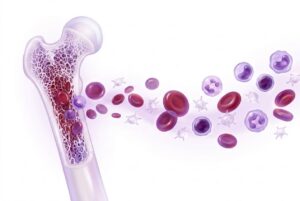
Blood cancers
Leukemia and lymphoma begin in cells of the blood-forming or immune systems. Each includes different types with their own characteristics and treatment needs.
-

Brain cancers
Brain and spinal cord tumors include many different diagnoses. Some are cancerous and others are noncancerous, but both can affect important functions and require specialized care.
-
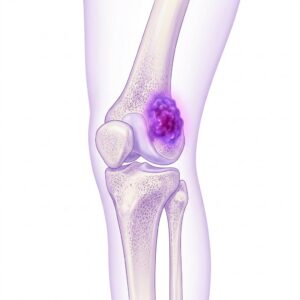
Bone cancers
Osteosarcoma and Ewing sarcoma are the two most common types of bone cancer that affect children and teens. Ewing sarcoma can also develop in soft tissue.
-
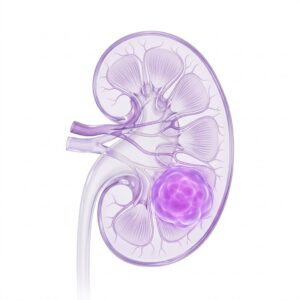
Other solid cancers
Other solid tumors can develop in organs and soft tissues throughout the body. Examples include neuroblastoma, Wilms tumor, rhabdomyosarcoma, and retinoblastoma.
Research for better treatments
Many childhood cancers differ biologically from cancers in adults, which means treatments developed for adult cancers are not always appropriate or effective for children. Children’s bodies are also still developing, so cancer and its treatment can affect growth and long-term health. Even after successful treatment, survivors may experience health effects that appear months or years later.
That is why research focused specifically on childhood cancer is essential.
CureSearch funds research aimed at developing more effective, less-toxic treatments for children. Our support helps researchers understand what drives these cancers, develop new treatment approaches, and move promising therapies from the laboratory into clinical testing. We prioritize areas of unmet need, including cancers with few effective treatment options.
Looking for clinical trial information?
Your child’s oncology team can help you understand whether a clinical trial may be an option. Our Clinical Trial Finder is a starting point for exploring studies to discuss with them.
Make a difference
Help make better treatments possible
Children with cancer need treatments that not only fight their disease but also protect their future health. Your gift to CureSearch supports research toward more effective, less-toxic treatments. Help move promising science toward better options for children and families.


