Skip to content

Completed project

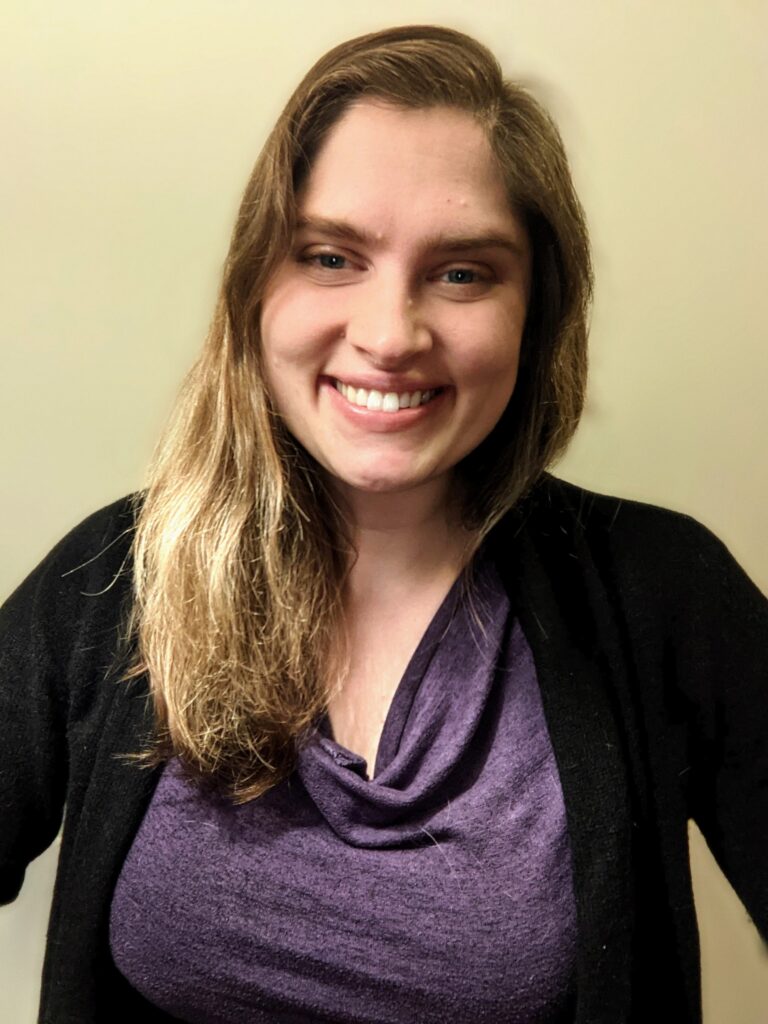
Jamie Anastas, PhD

Baylor College of Medicine

Combinatorial targeting of HDACs and LSD1 to treat pediatric brain tumors

Jamie Anastas, PhD, is a CureSearch Young Investigator conducting research at the Baylor College of Medicine to develop a therapy for pediatric high-grade glioma that takes advantage of a brain tumor vulnerability.

CureSearch Young Investigator Award

2022–2025 · Pediatric High-Grade Glioma

Jamie Anastas, PhD

This research will address three primary questions: (1) Which chromatin pathways are necessary for pHGG growth and what are the molecular mechanisms driving these dependencies?; (2) How do chromatin regulators contribute to the development of therapeutic resistance in pHGG and can we rationally target the epigenome in combination with other drugs to achieve lasting disease control?; (3) More generally, how are the activities of multiple signal transduction pathways stimulated by WNTs and other signals integrated at the level of chromatin in order to drive complex phenotypes like the maintenance of cancer stem cells?

Cancer is the leading, disease-related cause of pediatric mortality in the United States, and brain tumors are among the deadliest of all childhood tumors. Outcomes for pediatric high-grade gliomas (pHGGs) range from less than 25% to essentially 0%, in the case of diffuse midline gliomas (DMGs), and these dismal survival rates have not improved in 30 years.

Jamie Anastas, PhD, is a CureSearch Young Investigator conducting research at the Baylor College of Medicine to develop a therapy for pediatric high-grade glioma that takes advantage of a brain tumor vulnerability. Disrupted chromatin regulation is a driver of pediatric brain tumor progression, as seen in reports of promising anti-tumor activity of chromatin-targeting drugs. The studies proposed by Dr. Anastas focus on two classes of chromatin-modifying enzymes-lysine-specific demethylase 1 (LSD1) and histone deacetylases (HDACs) to develop a combination targeted therapy optimized based on molecular markers of on-target activity and a lack of toxicity. Dr. Anastas hypothesizes that combined treatment with two repurposed therapies, an LSD1 inhibitor and an HDAC inhibitor, will block pediatric brain tumor growth by altering tumor cell growth and survival and by enhancing tumor immune targeting.

Project at a glance

Program
Young Investigator Award
Institution
Baylor College of Medicine
Focus
Pediatric High-Grade Glioma

Pediatric high grade gliomas are notoriously resistant to conventional therapies and multi-drug, multi-model treatment regimens are likely needed to improve clinical outcomes. With support from this award from CureSearch we are excited to optimize novel combinations of chromatin-targeting drugs for the treatment of these aggressive childhood brain tumors.

Jamie Anastas, PhD Baylor College of Medicine

Jamie Anastas, PhD

My current research focus is on pediatric high-grade glioma (pHGG), a class of rare but aggressive brain tumors frequently harboring mutations in genes encoding histones including H3K27M substitutions in diffuse intrinsic pontine glioma (DIPG) and H3G34R/V mutations in hemispheric glioblastomas. This research addresses a critical, unmet clinical need as there are no effective therapies for these tumors leading to a two-year survival for DIPG patients of <10%. My ongoing research centers on the hypothesis that aberrant chromatin regulation gives rise to clinically relevant cancer phenotypes including the induction of tumor-initiating cancer stem cells (CSCs) and drug resistant subpopulations. As an independent investigator, my goal is to establish a research program aimed at understanding if and how chromatin dysregulation contributes to CSC maintenance and the development of therapeutic resistance on a mechanistic level, and at leveraging this knowledge to develop new therapies.

Although my work will initially focus on understanding and identifying novel strategies for targeting epigenetic pathways in pediatric gliomas harboring histone mutations, these studies will also prepare me to apply similar research methods to understand molecular mechanisms driving a variety of pediatric cancers.

Follow the project’s progress.

Final Research Update

Dr. Anastas’s project focused on identifying new strategies to make immunotherapy more effective for children with aggressive brain tumors.

Her team investigated whether a class of drugs that affect how DNA is packaged inside tumor cells, referred to as chromatin-targeting drugs, could make cancer cells more visible and vulnerable to attack by the immune system. Using laboratory and preclinical animal models, the team identified promising drug combinations that slowed tumor growth and increased the expression of specific targets on tumor cells that immunotherapies can recognize. Building on these findings, Dr. Anastas showed that pre-treating tumors with these drugs enhanced the effectiveness of CAR T cells to more efficiently recognize and eliminate tumor cells. Overall, this project established new research platforms, advanced collaborative partnerships with leaders in CAR T cell therapy, and generated strong proof-of-concept data for future clinical trials using combined treatment strategies for aggressive pediatric brain tumors.
Help move the next discovery forward

Research progress happens one milestone at a time.

Your support helps researchers test, refine, and advance better treatment ideas for children with cancer.

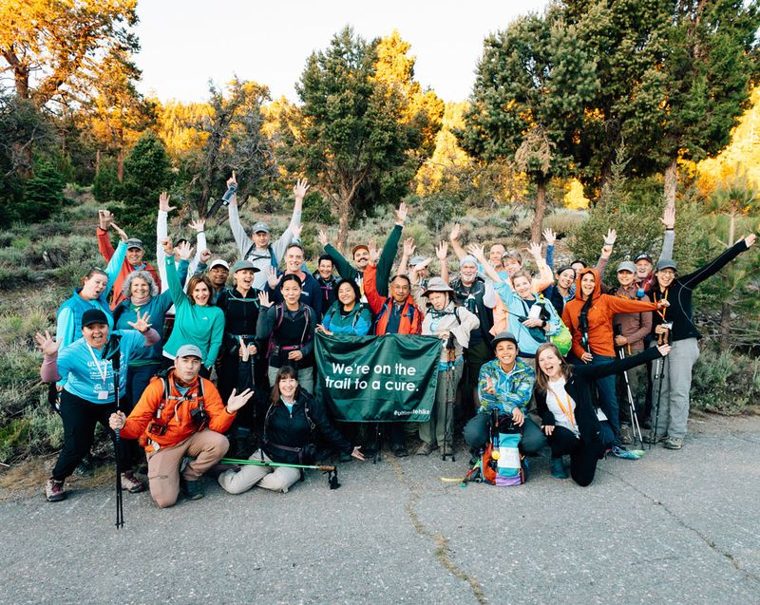
Ultimate Hike participants cheering together on the trail
Kids carrying a banner at a CureSearch Walk
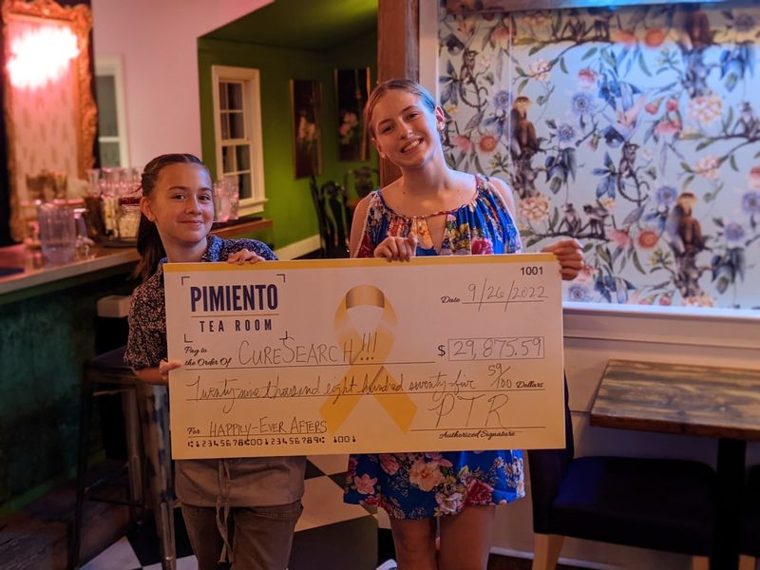
Supporters holding a donation check from a local fundraiser
A young Ultimate Hike participant on the trail
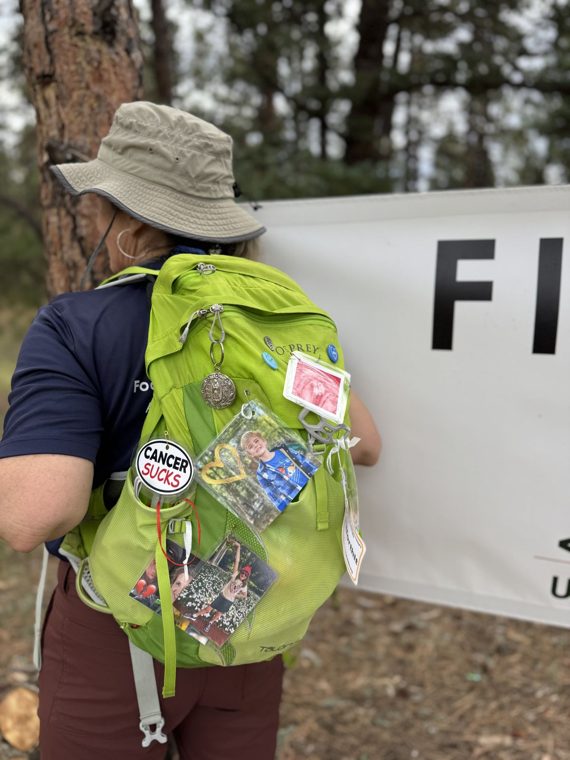
A hiker wearing a backpack covered in CureSearch pins

Share Your Story

Every connection to CureSearch has a story. We’d love to hear yours.

Whether you’ve hiked, given, volunteered, or lived this journey yourself, your story is part of ours.

Share Your Story