Skip to content

Completed project

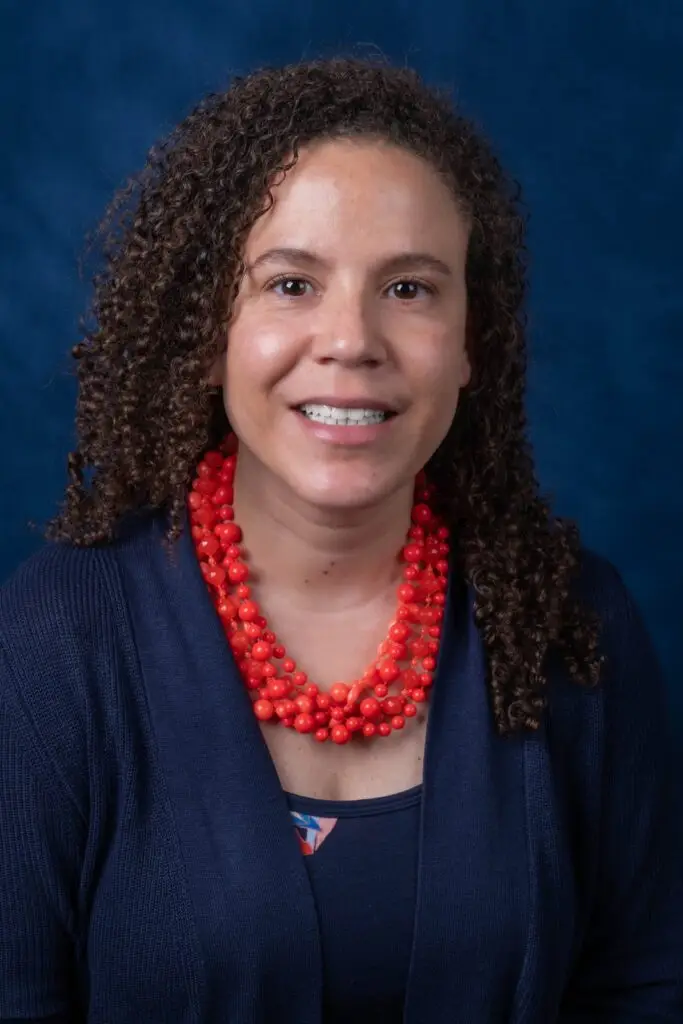
Joanna Gell, MD

Connecticut Children’s

Development of a targeted compound for the germ cell tumor marker PRDM14

Joanna Gell, MD, is a CureSearch Young Investigator conducting research at the Connecticut Children’s Medical Center to identify a more effective and less toxic therapy for iGCT. iGCT growth and survival is dependent on the interaction of two proteins, PRDM14 and CFA2T2.

CureSearch Young Investigator Award

2022–2025 · Intracranial Germ Cell Tumor (iGCT)

Joanna Gell, MD

Germ cell tumors (GCTs) make up a biologically complex group of tumors, ranging from benign to malignant. Additionally, GCTs can be found in multiple sites in the body, from the gonads to the central nervous system.Intracranial germ cell tumors (iGCTs), or germ cell brain tumors are very rare, accounting for only 3% of pediatric primary brain tumors. GCTs that develop in the brain confer survival rates of only 60-70%. Current treatments result in significant morbidity including renal impairment, secondary malignancies, cognitive impairment, visual-field impairment and endocrine disorders.

Joanna Gell, MD, is a CureSearch Young Investigator conducting research at the Connecticut Children’s Medical Center to identify a more effective and less toxic therapy for iGCT. iGCT growth and survival is dependent on the interaction of two proteins, PRDM14 and CFA2T2. Because PRDM14 is expressed uniquely in tumors but not normal cells, disruption of its activity should not impact normal cells, but only tumor cells. Given the long-term irreversible side effects that often accompany iGCT treatment by either chemotherapy or radiation, it is of great interest to find novel compounds that can be utilized to treat iGCTs with high specificity.Dr. Gell hypothesizes that disruption of the interaction between PRDM14 and CFA2T2 will result in cancer cell death. Dr. Gell will partner with IBM’s Smash Childhood Cancer Consortium to engage the enormous computational power of the World Community Grid to screen millions of compounds in silico (on a computer) to identify a targeted compound for PRDM14. Once she has identified targeted compounds, she will assess their ability to disrupt iGCT growth and survival in human cell lines and animals harboring human iGCT cells. As PRDM14 is expressed in several pediatric and adult malignancies, the impact of therapeutics that are developed can be expanded beyond iGCTs.

Project at a glance

Program
Young Investigator Award
Institution
Connecticut Children’s
Focus
Intracranial Germ Cell Tumor (iGCT)

Joanna Gell, MD

The goal of my research is to better understand the biology of human germ cell development and its relation to the development of germ cell tumors. During my first year of fellowship in pediatric hematology and oncology, my interest in germ cell tumor was piqued by a compelling case of extragonadal germ cell tumor. This case broadened by knowledge of germ cell tumor (GCTs), as well as, revealed areas in the field of GCT biology that needed further investigation, leading me to pursue research in GCT biology. During my second and third year of fellowship, I worked in the laboratory of Dr. Amander Clark, Ph.D., a researcher if the field of stem cell and germ cell biology. Following completion of my fellowship, I accepted a position at University of California Los Angeles as a Clinical Instructor, in the division of Pediatric Hematology/Oncology. As a clinical instructor, I continued my work in the lab of Dr. Clark, particularly working on developing an in vitro model of GCTs through differentiation of pluripotent stem cells into primordial germ cells (PGCs), the cell of origin for GCTs. While working with Dr. Clark, I expanded my knowledge of normal germ cell development and stem cell biology. With a better understanding of germ cell biology, I am able to use this knowledge to evaluate how alterations in normal development impacts germ cell tumorigenesis. Currently, I am an Assistant Professor at Connecticut Children’s Hospital and a research scientist at the Jackson Laboratory of Genomic Medicine, where I am working under the mentorship of Dr. Ching Lau, M.D. Ph.D. At this currently position, I will further expand my knowledge of GCT biology, particularly focusing on applying it at a translational level, as well as bring my knowledge of basic germ cell biology to his group. My ultimate career goal is to continue on an academic career path, as a physician-scientist and establish myself as an independent investigator with a focus on germ cell tumors and other rare solid tumors.

Follow the project’s progress.

Final Update

Through the collaboration with the Smash Childhood Cancer Initiative, Dr. Gell has been working to identify compounds that can block the interaction between two proteins, PRDM14 and CBFA2T2, which are known to promote the growth and survival of iGCTs.

Using computer-based drug screening, her team identified 29 potential compounds, which were then tested in her lab. One compound showed promise; however, due to the challenges of refining this compound – stemming from the complexity of working with PRDM14 – Dr. Gell pivoted to exploring an alternative approach. She shifted her focus to disrupting the protein interaction using a monobody, an engineered protein similar to an antibody that can interfere with the PRDM14/CBFA2T2 complex. Her research has shown that introducing this monobody to GCT cell lines successfully disrupts the protein complex, leading to changes in tumor cell growth. To further investigate the role of these proteins, she conducted genetic knockdown studies and used RNA sequencing to analyze how gene activity changes when PRDM14 and CBFA2T2 are removed. Moving forward, Dr. Gell’s research will focus on confirming these findings and exploring additional pathways that could serve as therapeutic targets, ultimately aiming to develop new treatment options for patients.
Help move the next discovery forward

Research progress happens one milestone at a time.

Your support helps researchers test, refine, and advance better treatment ideas for children with cancer.

Ultimate Hike participants cheering together on the trail
Kids carrying a banner at a CureSearch Walk
Supporters holding a donation check from a local fundraiser
A young Ultimate Hike participant on the trail
A hiker wearing a backpack covered in CureSearch pins

Share Your Story

Every connection to CureSearch has a story. We’d love to hear yours.

Whether you’ve hiked, given, volunteered, or lived this journey yourself, your story is part of ours.

Share Your Story