Completed project
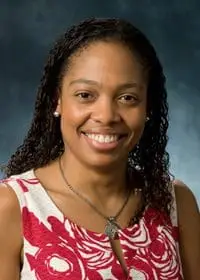
Chrystal Louis, MD, MPH
Texas Children’s Hospital
Phase II Feasibility Study Using EBV-CTL in Newly Diagnosed NPC
Chrystal Louis, MD a researcher at Baylor College of Medicine studies alternative ways to treat NPC cases caused by EBV, in order to one day try to reduce treatment side effects.
CureSearch Young Investigator Award
Nasopharyngeal carcinoma (NPC) is the most common cancer originating in the nasopharynx, the area behind the nose where the nasal passages and auditory tubes join the remainder of the upper respiratory tract. It is known that the majority of cases are associated with Epstein-Barr virus (EBV). Most commonly found in pediatric and adolescent patients between 10 -17 years old, NPC often goes undiagnosed until it reaches an advanced stage and has spread to the lymph nodes. Due to its location, surgical removal is not an effective treatment option, so doctors rely on high doses of radiation and chemotherapy. Because the high-dose radiation treatments are to the face and neck, the side effects of current treatment can leave patients with long-term effects such as hearing loss, dental issues, and chronic dry mouth.
Chrystal Louis, MD a researcher at Baylor College of Medicine studies alternative ways to treat NPC cases caused by EBV, in order to one day try to reduce treatment side effects. As a CureSearch Young Investigator, Dr. Louis developed a Phase II clinical trial studying the impact of including cellular immunotherapy in treating patients with NPC. Her research builds on a Phase I clinical trial with a smaller number of patients which showed promising results in using cellular immunotherapy to treat patients with NPC. Other kinds of immunotherapy have been used to treat tumors, but this cellular immunotherapy, called EBV-CTL, specifically targets EBV. When patients received EBV-CTL, they needed less radiation and chemotherapy to achieve remission and saw significantly reduced tumor growth and improved overall survival rates. In addition, these patients had far fewer side effects compared to standard treatments. The first phase of the trial showed that patients had almost no dose-limiting toxicities, meaning all the patients in the study could tolerate the treatment without serious complications.
As of the conclusion of her CureSearch-funded project, Dr. Louis planned and implemented important clinical work in nasopharyngeal carcinoma:
- 1 Phase II clinical trial testing Carboplatin and Docetaxel Followed by Epstein-Barr Virus Cytotoxic T Lymphocytes in refractory/relapsed nasopharyngeal carcinoma completed
- 20 patients enrolled on a Phase II clinical trial
Project at a glance
- Program
- Young Investigator Award
- Institution
- Texas Children’s Hospital
- Focus
- Rare Tumors
Help move the next discovery forward
Research progress happens one milestone at a time.
Your support helps researchers test, refine, and advance better treatment ideas for children with cancer.