Skip to content

Active project

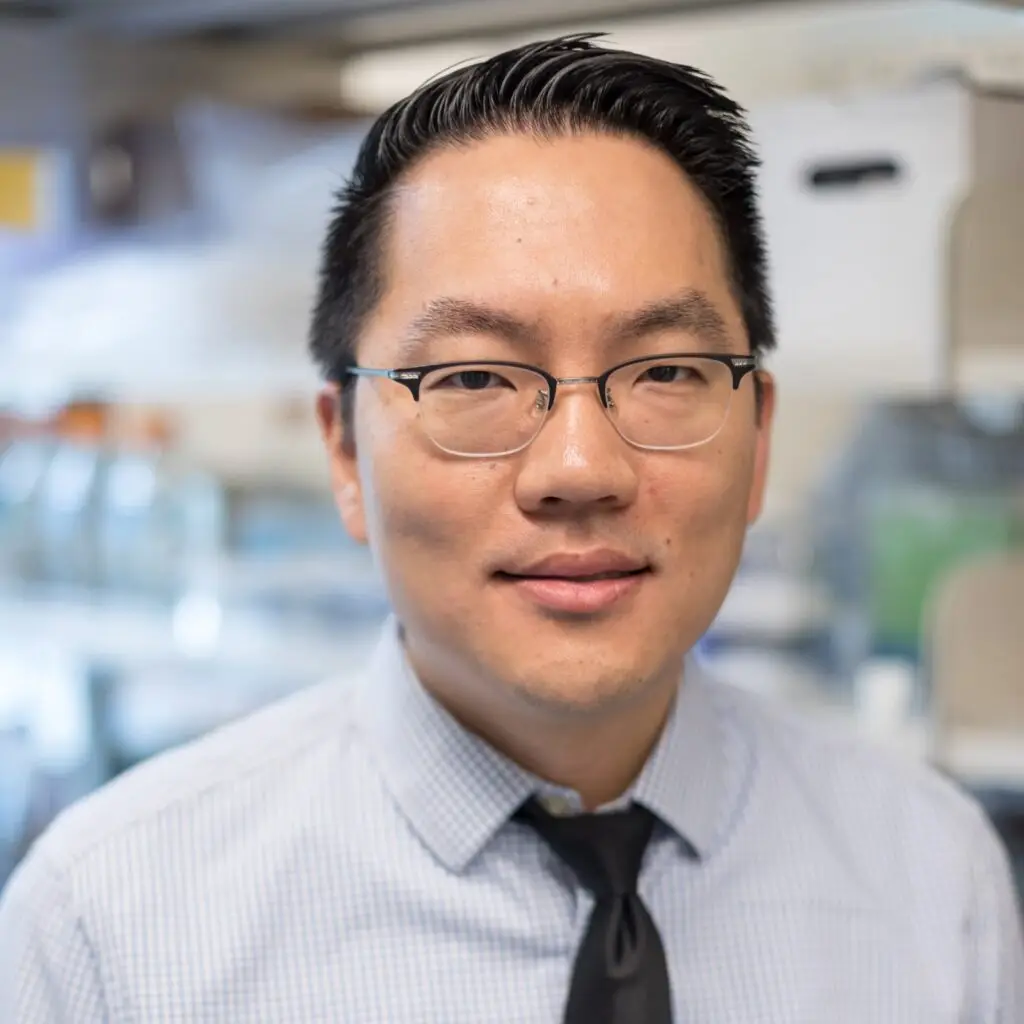
John Lee, MD, PhD

David Geffen School of Medicine at UCLA

IL-18 Armored STEAP1 CAR T-cell Therapy for Ewing Sarcoma

Dr. Lee’s team is developing a next-generation CAR T-cell therapy for advanced Ewing sarcoma. By engineering the cells to produce IL-18, the researchers aim to strengthen their anti-tumor activity and overcome barriers that have limited CAR T-cell therapy in solid tumors.

CureSearch Acceleration Initiative Award

2023–2025 · Ewing sarcoma

John Lee, MD, PhD

“Metastatic Ewing sarcoma is rarely curable and current treatments like surgery, radiation and chemotherapy often don’t work well for advanced cases. Our hope is this treatment can one day lead to better outcomes for kids with this disease by making their immune systems better at fighting the cancer.” – Dr. Lee

Ewing sarcoma (ES) is an aggressive and rare type of pediatric cancer involving bones and their surrounding soft tissue. In some cases, ES can become metastatic, meaning that it has spread to other parts of the body. Metastatic ES is a deadly disease, with a grim 5-year survival rate of 15-30%. Despite the availability of common treatments such as surgery, radiation, and chemotherapy, the prognosis of this disease remains poor. Therefore, new, and effective therapies are desperately needed for children with metastatic ES.

John Lee, MD, PhD is a CureSearch Acceleration Initiative Awardee at the David Geffen School of Medicine at the University of California, Los Angeles working on a new targeted immune-based treatment for advanced Ewing sarcoma. Dr. Lee has developed a chimeric antigen receptor (CAR) T cell therapy against a cell surface protein known as STEAP1. STEAP1, or six transmembrane epithelial antigen of the prostate 1, is present in >90% of ES tumors and is highly expressed on the surface of cancer cells, with limited expression in normal tissues. Additionally, it is implicated in cancer proliferation and invasion, making it an ideal candidate for immunotherapy in ES. Dr. Lee’s STEAP1 CAR T cells have shown promising initial results in ES models.

In his CureSearch-funded work, Dr. Lee proposes to further increase the cancer killing ability of STEAP1 CAR T cells by engineering them to secrete a molecule called interleukin-18 (IL-18). IL-18 is a proinflammatory cytokine that broadens anti-tumor immunity by enhancing the killing activity of CAR T cells and bridging the gap between innate and adaptive immune responses. By armoring STEAP1 CAR T cells with IL-18, Dr. Lee hopes to create a fourth generation of CAR T cells that overcome common barriers to utilizing CAR T cell therapy in solid tumors.

Dr. Lee will test the effectiveness and safety of his IL-18 armored STEAP1 CAR T cells in newly created models of ES that more closely resemble the advanced disease found in children. He hopes that these findings can be rapidly translated into a first-in-human clinical trial to evaluate this promising CAR T cell therapy in children with advanced ES, potentially bringing a new treatment option to the children who need it the most.

As part of our co-funding model, this award is generously supported in part by Rally Foundation for Childhood Cancer Research and three CureSearch Legacy Funds: Garret and I: The Garret Collins Legacy Fund, The Nick Currey Fund, and The Sam Schneider Legacy.

Project at a glance

Program
Acceleration Initiative Award
Institution
David Geffen School of Medicine at UCLA
Focus
Ewing sarcoma

John Lee, MD, PhD

Dr. Lee is a medical oncologist and scientist focused on understanding functional cancer genomics and developing effective immunotherapies for solid tumors. He received an A.B. with highest honors in Biochemical Sciences at Harvard University and an M.D. at the Geisel School of Medicine at Dartmouth during which he participated in the HHMI-NIH Research Scholars Program. John completed his clinical training in internal medicine at Boston Medical Center. He proceeded to a Specialty Training and Advanced Research fellowship in medical oncology at UCLA where he obtained a Ph.D. from the Molecular Biology Institute and completed a postdoctoral fellowship under the mentorship of Dr. Owen Witte.

Dr. Lee is an Associate Professor-in-Residence in the Division of Hematology/Oncology, Department of Medicine; Institute for Urologic Oncology, Department of Urology; Parker Institute for Cancer Immunotherapy at UCLA; and UCLA Broad Stem Cell Research Center. His lab has concentrated on 1) deciphering gene interactions that drive cancer initiation/progression and establish distinct cancer states and 2) advancing cancer immunotherapies for clinical translation. He collaborates with an interdisciplinary team to effectively translate discoveries from the lab to the clinic for the potential benefit of patients. Dr. Lee’s work has led to the ongoing development of early phase clinical trials investigating CAR T cell therapies for advanced cancer.

Follow the project’s progress.

Research Update — June 2026

Dr. Lee and his team continue to make strong progress toward advancing their IL-18 armored STEAP1 CAR T cell therapy for children with relapsed and refractory Ewing sarcoma.

Over the past six months, they have completed studies in advanced models of metastatic Ewing sarcoma that more closely mimic the human immune system and observed significant antitumor activity with their engineered CAR T cells. To better understand how the therapy interacts with tumors, the team also collected and is analyzing tumor samples using advanced spatial profiling technologies that will provide insight into how immune cells behave within the tumor microenvironment. In parallel, they have completed detailed safety studies and found no evidence of significant toxicity or damage to normal tissues, further supporting the safety profile of this approach.

Importantly, the program continues to advance toward clinical translation. The team has successfully completed clinical-grade manufacturing of the IL-18 armored STEAP1 CAR T cells and expects to launch a first-in-human clinical trial in patients with metastatic prostate cancer in Fall 2026. As the same CAR T-cell product will be used, this trial will generate important clinical experience that can help accelerate the planned development of a future trial for children with relapsed or refractory Ewing sarcoma, which the team hopes to initiate in 2027.
Help move the next discovery forward

Research progress happens one milestone at a time.

Your support helps researchers test, refine, and advance better treatment ideas for children with cancer.

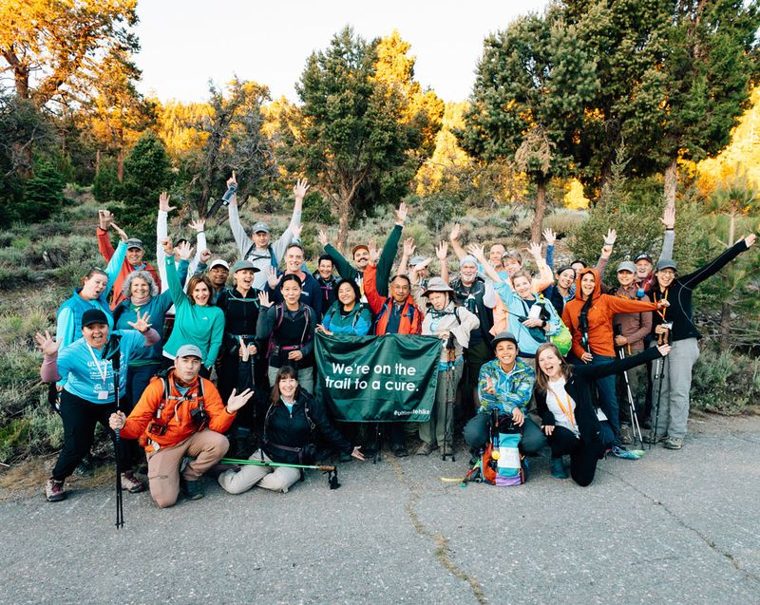
Ultimate Hike participants cheering together on the trail
Kids carrying a banner at a CureSearch Walk
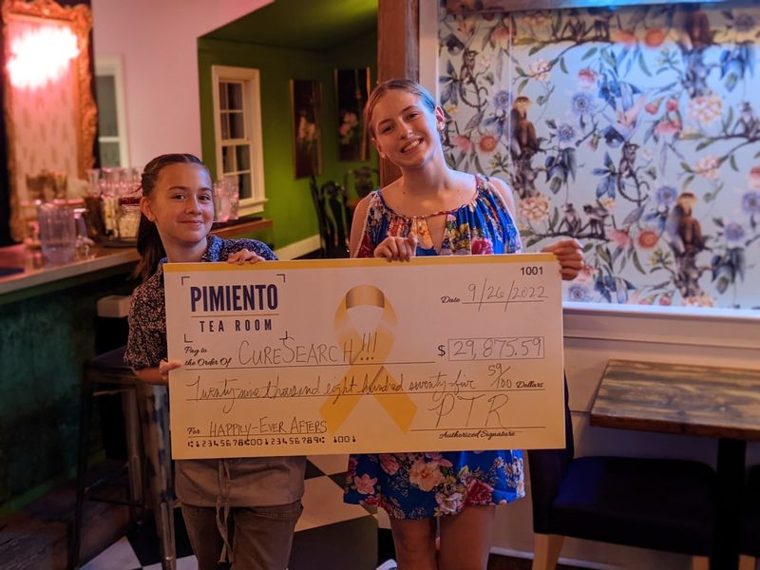
Supporters holding a donation check from a local fundraiser
A young Ultimate Hike participant on the trail
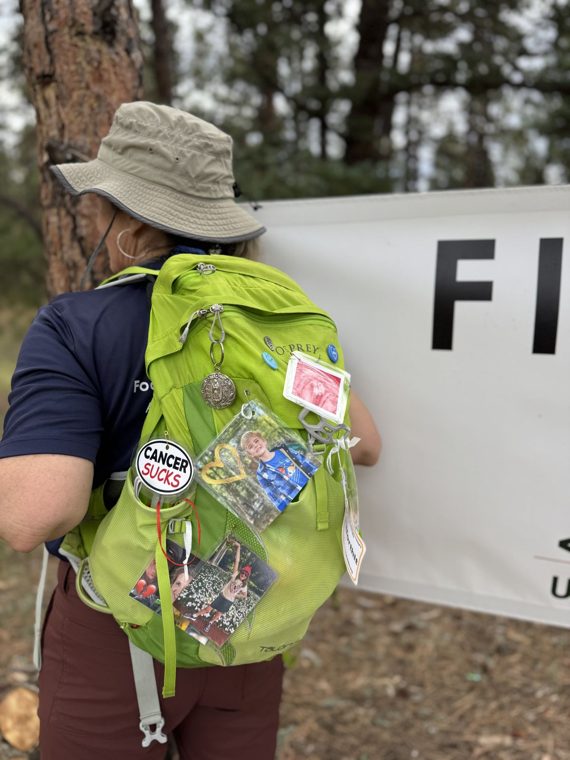
A hiker wearing a backpack covered in CureSearch pins

Share Your Story

Every connection to CureSearch has a story. We’d love to hear yours.

Whether you’ve hiked, given, volunteered, or lived this journey yourself, your story is part of ours.

Share Your Story