
Blood Cancers in Children
Understanding leukemia and lymphoma.
Leukemia and lymphoma are the main types of blood cancer in children. Leukemia begins in the bone marrow, where blood cells are made. Lymphoma begins in certain white blood cells that help the body fight infection. Each type is different, and treatment depends on the child’s specific diagnosis.
Research and treatment advances have greatly improved survival for many children with blood cancers. For example, in the United States, the five-year survival rate for acute lymphoblastic leukemia (ALL) is approximately 90% among children younger than 15.
However, survival varies widely among blood cancers and even within the same diagnosis. A child’s outlook depends on the cancer’s type and biological features, their age, and how the cancer responds to treatment. Some cancers remain much harder to treat, especially when they return or do not respond to treatment.
CureSearch funds research focused on the childhood cancers with the greatest need for better treatment options.

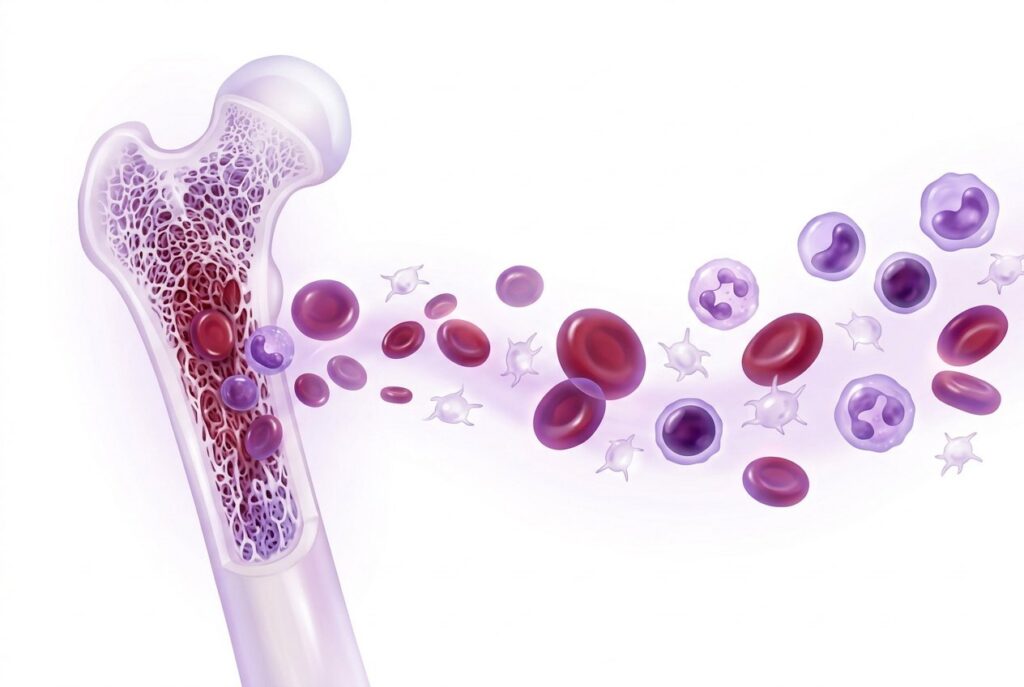
Leukemia
Leukemia starts in the bone marrow, the soft tissue inside bones where blood cells are made. Leukemia cells can crowd out healthy cells, affecting the body’s ability to fight infection, carry oxygen, and control bleeding. The most common types in children are acute lymphoblastic leukemia (ALL) and acute myeloid leukemia (AML). Less common types include juvenile myelomonocytic leukemia (JMML) and chronic myeloid leukemia (CML).
-

Acute lymphoblastic leukemia (ALL)
ALL is the most common childhood cancer. It affects immature cells that would normally become lymphocytes, a type of white blood cell that helps fight infection.
-

Acute myeloid leukemia (AML)
AML affects immature myeloid cells in the bone marrow. These cells multiply without developing normally, interfering with the production of healthy blood cells.
-
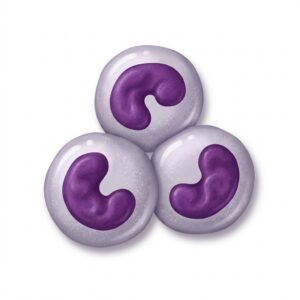
Juvenile myelomonocytic leukemia (JMML)
JMML is a rare leukemia that mainly affects infants and young children. It causes the body to make too many white blood cells, including cells called monocytes.
-
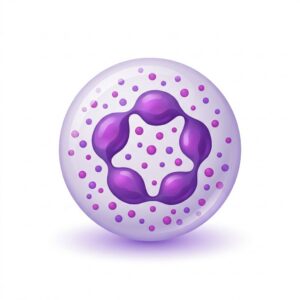
Chronic myeloid leukemia (CML)
CML is rare in children and involves the overproduction of abnormal white blood cells. It usually develops more slowly than acute leukemias, particularly in its early phase.
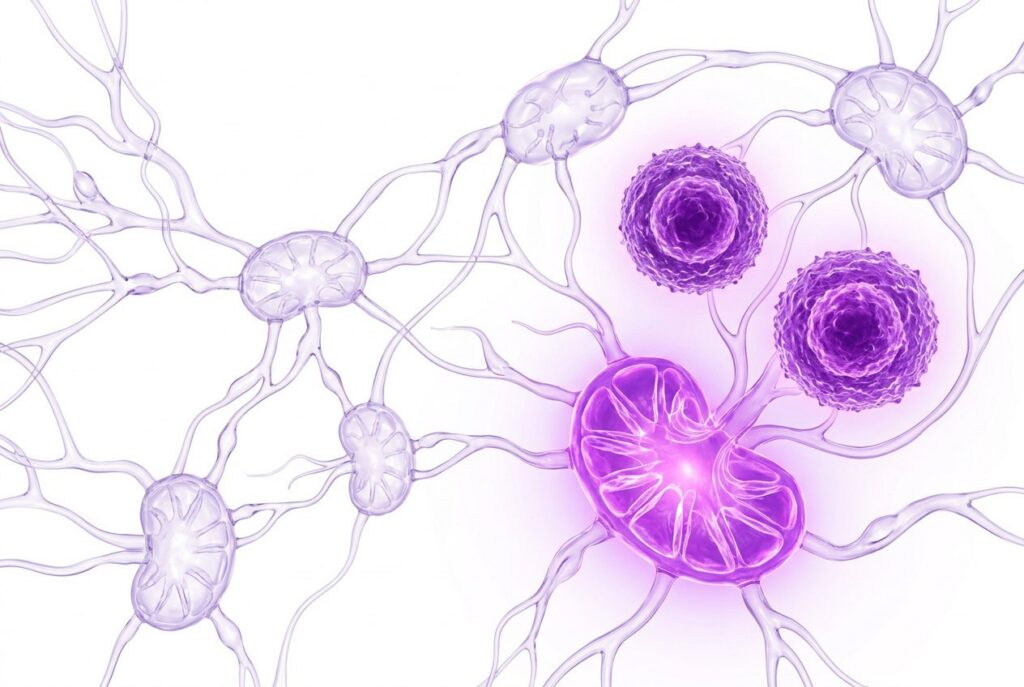
Lymphoma
Lymphoma begins in lymphocytes, white blood cells that are part of the immune system. It can develop in lymph nodes and other tissues throughout the body. The two main groups are Hodgkin lymphoma and non-Hodgkin lymphoma.
-
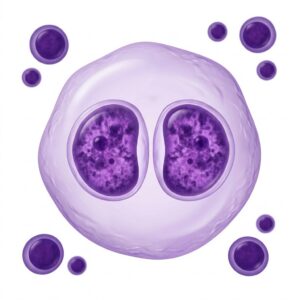
Hodgkin lymphoma
Hodgkin lymphoma commonly begins in lymph nodes in the neck or chest. It is more common in adolescents than in younger children.
-
Non-Hodgkin lymphoma
Non-Hodgkin lymphoma includes several cancers of lymphocytes. Types seen in children include Burkitt lymphoma, diffuse large B-cell lymphoma, lymphoblastic lymphoma, and anaplastic large cell lymphoma.
Research for better treatments
Some blood cancers remain difficult to treat or can return after treatment. Even when treatment is successful, survivors may experience lasting health effects. CureSearch funds research aimed at developing more effective, less-toxic treatments for children with blood cancers.
Explore our funded leukemia research
-

Targeting leukemia more precisely
Babak Moghimi, MD
Dr. Moghimi’s CureSearch-funded research focuses on engineering immune cells, called CAR T cells, to recognize a combination of markers on AML cells. The goal is to attack leukemia more precisely while limiting harm to healthy blood-forming cells.
Make a difference
Help make better treatments possible
Children with blood cancers need treatments that not only fight their cancer but also protect their future health. Your gift to CureSearch supports research toward more effective, less-toxic treatments for children with cancer, including blood cancers. Help move promising science toward better options for children and families.


