Skip to content

Completed project

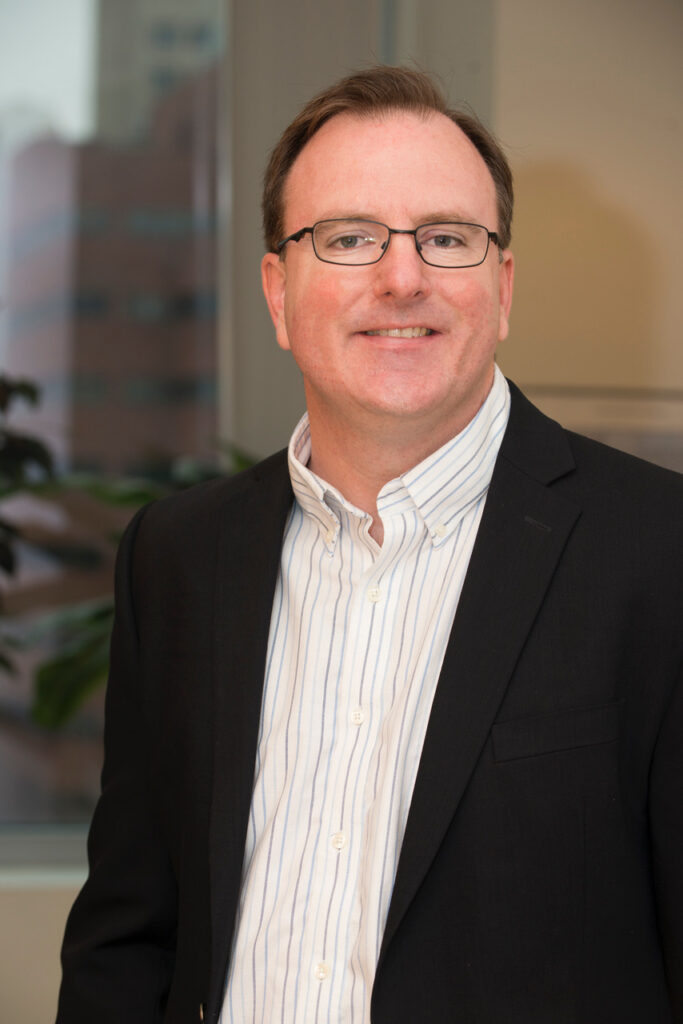
David Langenau, PhD

Massachusetts General Hospital

Targeting p53 in Childhood Rhabdomyosarcoma

CureSearch Acceleration Initiative Award

2022–2025 · Rhabdomyosarcoma

David Langenau, PhD

Rhabdomyosarcoma (RMS) is the most common soft tissue sarcoma of childhood and adolescence. This cancer forms in skeletal muscle tissue or sometimes hollow organs, such as the bladder or uterus, and can spread from where it started to other areas, including lungs and lymph nodes, making treatment and recovery more difficult. While it can occur at any age, it most often affects children and adolescents with more than 350 pediatric cases diagnosed annually in the U.S. Despite decades of study, the standard of care for RMS remains a chemotherapy regimen developed in the 1970s. Associated toxicities include bone marrow suppression, infection, liver damage, cardiotoxicity, and decreased kidney function. Long-term survival for high-risk RMS has remained less than 30% for over 40 years.

David Langenau, PhD, is a CureSearch Acceleration Initiative Awardee conducting research at Massachusetts General Hospital. TP53 is a transcription factor, the mutation of which is thought to be critical to the growth of a wide variety of cancers. TP53 mutations are associated with poor outcome in several pediatric cancers including choroid plexus carcinoma, osteosarcoma, medulloblastoma and RMS. For decades academic and industry partners have been investigating the clinical and phenotypic consequences of TP53 mutations, and druggability of p53, largely in adult cancers. However, because it is a transcription factor, p53 has been difficult to pharmacologically target. Dr. Langenau and his colleagues will test novel therapeutics that reactivate p53 protein function for their ability to restore treatment sensitivity in RMS. By identifying p53 stabilizing therapies that synergize with chemo-and radiation therapies in p53-mutant RMS, they aim to develop a combination therapy that requires less chemotherapy and radiation, reducing treatment-related toxicities, and improving outcomes for patients with RMS.

Project at a glance

Program
Acceleration Initiative Award
Institution
Massachusetts General Hospital
Focus
Rhabdomyosarcoma

David Langenau, PhD

My laboratory uses zebrafish genetic models, human cell lines, and patient derived xenografts to study pediatric cancer, most notably for this application, rhabdomyosarcoma. We have focused on 1) developing high-throughput cell transplantation approaches to uncover self-renewal mechanisms in both leukemia and rhabdomyosarcoma and 2) imaging self-renewal mechanisms directly within normal muscle, rhabdomyosarcoma, and other cancers. Our group has also 3) pioneered the use of adult immune compromised zebrafish for efficient engraftment of allogeneic and xenograft fluorescent-labeled cells into adult recipient fish, most notably to visualize tumor-propagating cells, invasion, and metastasis in ERMS and to preclinically model therapy responses in vivo.

Our work has detailed the remarkable conservation of molecular mechanisms in zebrafish, mouse, and human RMS and discovered novel biology underlying the human disease, including identifying roles for P53 loss in driving FN-RMS growth and metastasis. My laboratory also commonly extends our basic biology findings into patient tissues and clinical applications. For example, we have recently made the finding that a large fraction of human RMS are efficacy killed following combination Olaparib and temozolomide therapy (OT), leading to clinical trial evaluation of this combination for RMS patients at MGH and Dana-Farber Cancer Institute in Boston (NCT01858168). Work in this application will define new therapies that target aggressive Tp53 RMS and test their efficacy in our PDX mouse models available in the laboratory.

Collaborators

  • Corinne Linardic – Duke University School of Medicine
  • David Malkin – The Hospital for Sick Children (SickKids)
  • Jack Shern – The National Institutes of Health

Follow the project’s progress.

Final Update

Dr. Langenau’s CureSearch-funded work focused on the p53 protein (encoded by the TP53 gene), a critical tumor suppressor that helps control cell growth and prevent cancer but, when mutated or disrupted, can drive aggressive and treatment-resistant disease.

Over the course of the project, Dr. Langenau and his team generated important new insights into how TP53 alterations contribute to poor outcomes in rhabdomyosarcoma (RMS). Through analysis of more than 600 patient tumor samples, they confirmed that TP53 mutations are strongly associated with worse prognosis. Overall, their findings challenged longstanding assumptions by showing that different types of TP53 mutations behave similarly and uniformly contribute to aggressive disease, refining how risk may be assessed in children with RMS. Importantly, the team also identified a previously unrecognized subgroup of high-risk RMS defined by co-occurring FGFR4 and TP53 alterations-an insight with immediate translational relevance, as therapies targeting FGFR4 are already emerging and could be applied to this particularly aggressive subset of patients.

Building on these discoveries, the team focused on identifying promising therapeutic strategies to overcome treatment resistance, prioritizing agents that are already FDA-approved or in pediatric clinical trials to help shorten the path from discovery to patient benefit. They demonstrated that the combination of olaparib, an FDA-approved targeted therapy, and temozolomide, a commonly used chemotherapy, effectively suppresses tumor growth across RMS models, regardless of TP53 status. Importantly, they showed that tumors relapsing after this treatment could be re-sensitized using alpelisib, a drug already in pediatric clinical trials, highlighting a clear path toward clinical translation. In parallel, the team identified another high-risk genetic change, the MYOD1L122R mutation, and discovered a promising new way to target these aggressive tumors using ozuriftamab vedotin, an antibody-drug conjugate currently being tested in clinical trials. Together, this work expands the pipeline of targeted treatment options, advances more clinically relevant approaches, and lays the groundwork for bringing safer, more effective therapies to children with RMS.
Help move the next discovery forward

Research progress happens one milestone at a time.

Your support helps researchers test, refine, and advance better treatment ideas for children with cancer.

Ultimate Hike participants cheering together on the trail
Kids carrying a banner at a CureSearch Walk
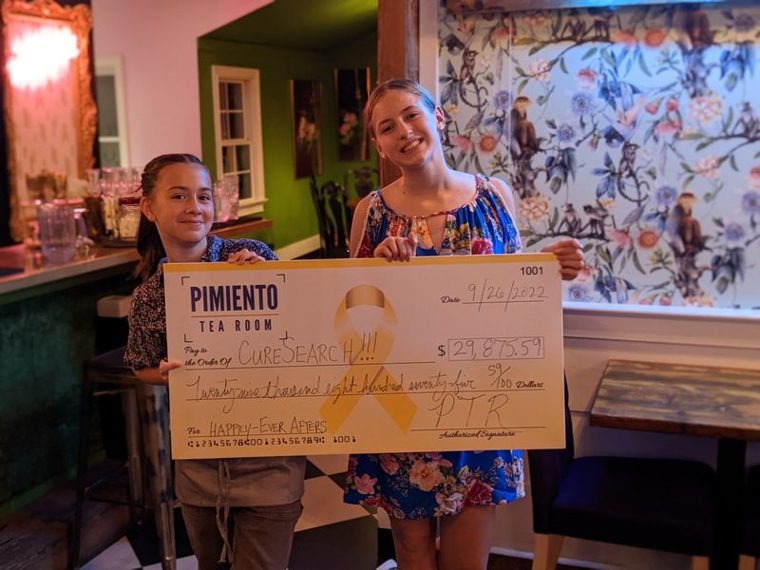
Supporters holding a donation check from a local fundraiser
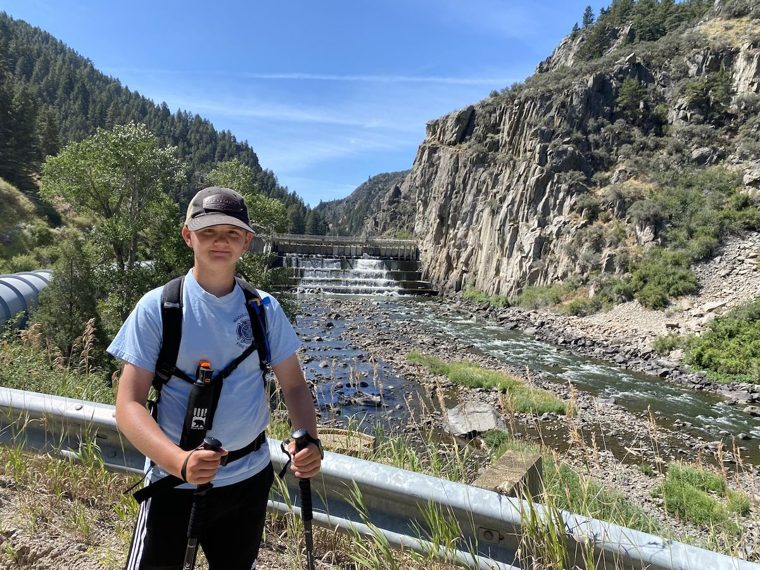
A young Ultimate Hike participant on the trail
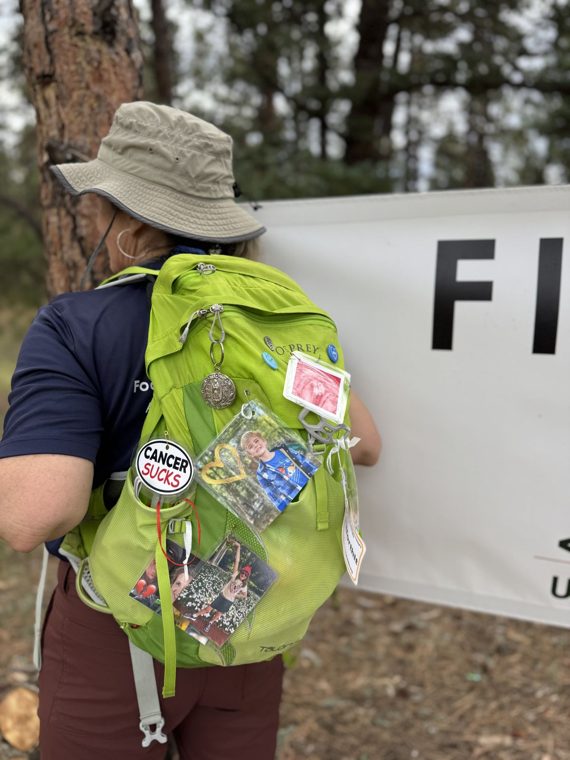
A hiker wearing a backpack covered in CureSearch pins

Share Your Story

Every connection to CureSearch has a story. We’d love to hear yours.

Whether you’ve hiked, given, volunteered, or lived this journey yourself, your story is part of ours.

Share Your Story