Skip to content

Active project

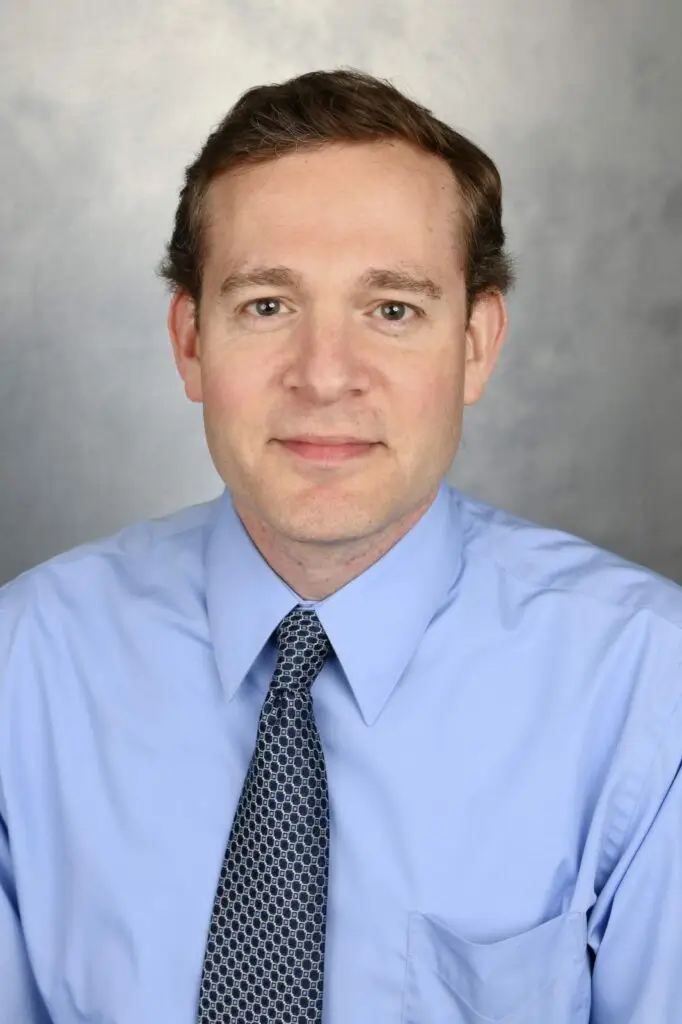
Gregory Friedman, MD

MD Anderson Cancer Center

Overcoming the Adverse Microenvironment of Pediatric High-Grade Gliomas

Dr. Friedman’s team is developing a combination immunotherapy for pediatric high-grade gliomas and diffuse midline gliomas. The approach pairs an oncolytic virus with a tumor vaccine designed to strengthen and sustain the immune response against these aggressive brain tumors.

CureSearch Acceleration Initiative Award

2022–2025 · Pediatric High-Grade Glioma

Gregory Friedman, MD

“The overarching goal of this CureSearch application is to overcome the cold, unfavorable tumor microenvironment of pediatric high-grade gliomas and diffuse midline gliomas by combining G207 with Avidea’s SNAPvax (self-assembling nanoparticle TLR-7/8 peptide tumor vaccine). Our preliminary data indicates that the combination is superior to either therapy alone. We will develop this combination and translate the approach from bench-to-beside through our collaborations with leading investigators across the globe and our public-private partnerships with biotechnology companies Treovir and Avidea Technologies. We have the experience and expertise to accomplish the proposed aims, and we have demonstrated the required experience in bench-to-bedside translation of novel therapeutics. We are positioned to rapidly translate the approach to clinical trials to positively impact children who are in desperate need of novel, targeted therapies.” – Dr. Gregory Friedman, MD

Through the critical grant support from CureSearch, he has assembled a “dream team” of researchers from academia including MD Anderson Cancer Center, Dana-Farber, Cambridge and Mount Sinai as well as industry partners Treovir and Barinthus to develop a novel immunotherapy combining oncolytic virotherapy and an innovative vaccine technology. The overarching goal of the research is to quickly translate the combination therapy to pediatric clinical trials with the aim of improving outcomes and lessening side effects for children with brain cancer in desperate need of improved, targeted therapies.

Outcomes for pediatric high-grade gliomas (pHGGs) range from less than 25% to essentially 0%, in the case of diffuse midline gliomas (DMGs), and these dismal survival rates have not improved in 30 years. Safe, effective immunotherapies for pediatric high-grade glioma (pHGG) including diffuse midline glioma (DMG) have eluded investigators and represent a significant unmet need.

Gregory Friedman, MD, is a CureSearch Acceleration Initiative Award recipient conducting research at the MD Anderson Cancer Center. He and his colleagues are currently conducting a phase I clinical trial in pediatric high-grade glioma and have demonstrated that their oncolytic virus, G207, is safe with very promising efficacy. An oncolytic virus is a virus that is specifically able to enter and destroy cancer cells. Based on the results of the phase I trial, G207 was awarded FDA Fast Track Designation, and Dr. Friedman is developing a multi-institutional Phase 2 trial. While he continues to advance G207 clinically, Dr. Friedman’s goal is to maximize G207’s therapeutic benefit for future clinical trials. In this project, Dr. Friedman will be assessing a combination immunotherapy that he and his colleagues hypothesize will result in a stronger and sustained response to G207 resulting in lasting anti-tumor response. Dr. Freidman will assess combination of G207 with a highly innovative vaccine platform developed by his public-private collaborating partner, Avidea Technologies. In initial proof-of-principle preclinical mouse studies, vaccination prior to G207 treatment significantly enhanced efficacy compared to either therapy alone. The goal of this AI award will be to develop a protocol and obtain regulatory approvals for a Phase 1 clinical trial of the Avidea vaccine (SNAPvax) and G207.

This project is supported in part by LifeArc and the Rally Foundation.

Project at a glance

Program
Acceleration Initiative Award
Institution
MD Anderson Cancer Center
Focus
Pediatric High-Grade Glioma

Gregory Friedman, MD

Gregory Friedman, MD, specializes in pediatric neuro-oncology and conducting pediatric brain tumor research as Professor of Pediatrics and Section-Chief of Pediatric Neuro-Oncology at the University Texas MD Anderson Cancer Center. He previously served as Director of Developmental Therapeutics for the Alabama Center for Childhood Cancer & Blood Disorders at the University of Alabama at Birmingham and as the site PI for the Children’s Oncology Group Pediatric Early Phase-Clinical Trial Network (PEP-CTN). His overarching goal is to improve outcomes for children with brain tumors by developing and improving novel, targeted immunotherapies in the lab and then translating these therapies to clinical trials. His research is focused on determining mechanisms of cancer cell therapeutic resistance to novel therapeutics by exploring the role of the tumor microenvironment and cellular defense mechanisms to circumvent resistance mechanisms.

His experience in managing pediatric neuro-oncology patients and in conducting clinical oncology research complements his laboratory experience, which has enabled his team to develop a greater understanding of the tumor microenvironment and translate innovative immunotherapies from bench-to-bedside. He was the PI for the first completed oncolytic virotherapy (G207) pediatric brain tumor trial (NCT02457845; published in New England Journal of Medicine in 2021), and he is the PI for an ongoing first-in-human trial of G207 in recurrent cerebellar tumors (NCT03911388). In addition, he developed and leads a Phase 2 trial of G207 through the NCI-supported Pediatric Brain Tumor Consortium in recurrent pediatric high-grade glioma.

Follow the project’s progress.

Research Update — June 2026

Dr. Friedman and his team continue to generate important data supporting their novel combination immunotherapy for children with aggressive brain tumors.

Over the past six months, they completed studies evaluating 11 potential vaccine targets and identified the most promising candidates for further development. They also published new findings demonstrating that combining their SNAPvax vaccine with an oncolytic virus is more effective than either treatment alone. These studies showed that administering the vaccine before the virus produces a stronger anti-tumor immune response, helping the immune system better recognize and attack tumor cells. In addition, the team refined the vaccine to improve safety and demonstrated that delivering it directly into the brain’s ventricular system generates particularly strong immune responses against brain tumors. Together, these findings provide important insight into how this combination therapy works and strengthen the foundation for future clinical trials in children with devastating brain tumors such as diffuse midline glioma. The team’s Phase 1 trial of the next-generation oncolytic virus is expected to open in fall 2026 and will generate the safety data needed to support the future incorporation of the SNAPvax vaccine into the treatment regimen.
Help move the next discovery forward

Research progress happens one milestone at a time.

Your support helps researchers test, refine, and advance better treatment ideas for children with cancer.

Ultimate Hike participants cheering together on the trail
Kids carrying a banner at a CureSearch Walk
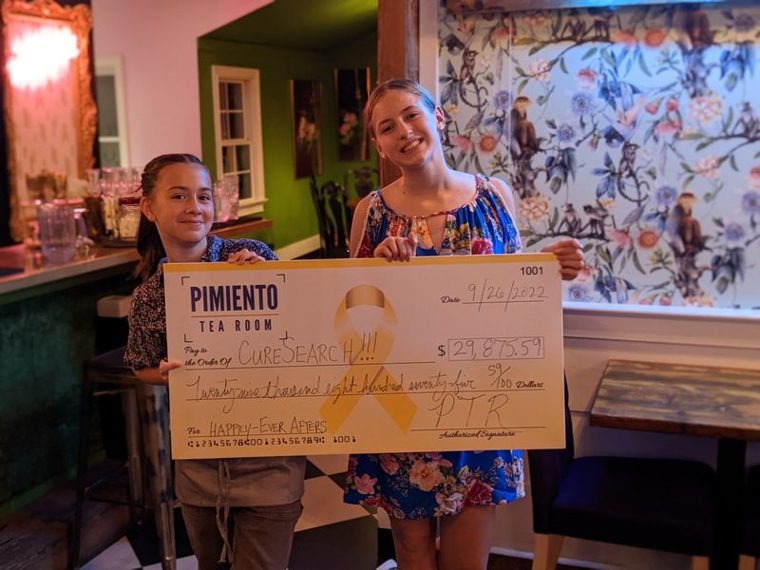
Supporters holding a donation check from a local fundraiser
A young Ultimate Hike participant on the trail
A hiker wearing a backpack covered in CureSearch pins

Share Your Story

Every connection to CureSearch has a story. We’d love to hear yours.

Whether you’ve hiked, given, volunteered, or lived this journey yourself, your story is part of ours.

Share Your Story