Skip to content

Active project

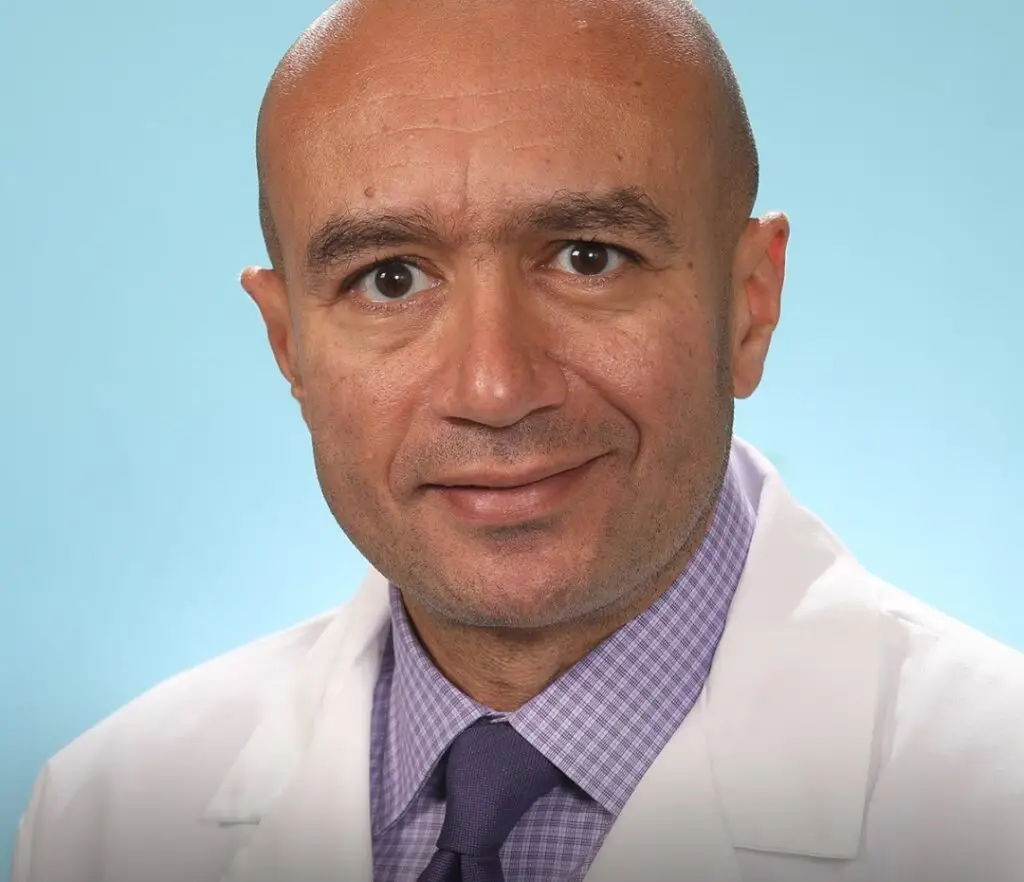
Mohamed S. Abdelbaki, MD

Washington University School of Medicine in St. Louis

Phase I Study of Natural Killer Cells in Recurrent Malignant Brain Tumors

Dr. Abdelbaki’s team is testing natural killer cells, immune cells that can recognize and attack cancer, in children and young adults with brain tumors that have returned. The approach uses cells from healthy donors that have been prepared to resist the signals tumors use to suppress an immune response.

CureSearch Catapult Award

2024–2027 · Recurrent Brain Tumors; Natural Killer (NK) Cell Therapy

Mohamed S. Abdelbaki, MD

Dr. Mohamed Abdelbaki, a CureSearch Catapult awardee at Washington University School of Medicine in St. Louis, is conducting a phase I clinical trial using a Natural Killer (NK) cell therapy for children and young adults with recurrent brain tumors. NK cells are immune cells that can recognize and kill cancerous cells and have shown promise in treating several cancers. However, their widespread use has been limited due to production challenges and the ability of brain tumors to escape killing by secreting an immunosuppressive molecule known as transforming growth factor-beta (TGFβ). Dr. Abdelbaki and his team have established an NK cell therapy that overcomes these obstacles. They have developed a method for producing large numbers of NK cells from healthy donors and by chronically stimulating the cells with TGFβ, they have enhanced their function and made them resistant to the effects of TGFβ in the body. This ‘off-the-shelf’ cell therapy reduces the cost and eliminates barriers associated with manufacturing cells on a patient-by-patient basis, making a potentially superior treatment option more widely available to patients.

In this CureSearch-funded clinical trial, 24 children and young adults with recurrent brain tumors will receive infusions of the enhanced NK cells directly into the surgical cavity following tumor removal. This approach bypasses the blood-brain barrier and treats the tumor more effectively by concentrating the NK cells inside the tumor site. The team will also study how long the NK cells remain active in the brain and how this affects the overall response to treatment. This trial will be conducted through the Pacific Pediatric Neuro-Oncology Consortium (PNOC), making it the first multi-institutional consortium-wide study to evaluate the safety and efficacy of intra-tumoral NK cell infusions in children with recurrent brain tumors.

Project at a glance

Program
Catapult Award
Institution
Washington University School of Medicine in St. Louis
Focus
Recurrent Brain Tumors; Natural Killer (NK) Cell Therapy

Mohamed S. Abdelbaki, MD

Dr. Mohamed Shebl Abdelbaki is the Director of both the Pediatric Neuro-Oncology Program and the Clinical Research Office (CRO) for the Pediatric Hematology, Oncology and Bone Marrow Transplant Division at St. Louis Children’s Hospital. He is an Associate Professor of Pediatrics at Washington University School of Medicine in St. Louis – Missouri (USA). Dr. Abdelbaki is a member of the Central Nervous System (CNS) Committee at the Children’s Oncology Group (COG), and study chair of the CNS Germinoma trial (ACNS2321). Additionally, he is the institutional Principal Investigator for both the COllaborative Network for NEuro-oncology Clinical Trials (CONNECT) consortium as well as the Pediatric Neuro-Oncology consortium (PNOC) – where he leads several clinical trials in pediatric brain tumors and also serves as a member of the scientific committee and the Chair of the Germ Cell Tumor Working Group.

Follow the project’s progress.

Research Update — June 2026

Dr. Abdelbaki and his team continue to make significant progress in their clinical trial evaluating an innovative NK cell therapy for children and young adults with recurrent malignant brain tumors.

The study is now open at 10 U.S. sites, including the University of California, San Francisco (UCSF), Washington University in St. Louis/St. Louis Children’s Hospital, Indiana University/Riley Children’s Hospital, University of Alabama Birmingham, Johns Hopkins Hospital, Joseph M. Sanzari Children’s Hospital at Hackensack University Medical Center, Seattle Children’s Hospital, the Children’s Hospital of Philadelphia (CHOP), the Children’s Hospital of Los Angeles (CHLA), and Nationwide Children’s Hospital. The team is also preparing for international expansion through a new collaboration with the Australian and New Zealand Children’s Hematology/Oncology Group (ANZCHOG), with sites in Australia and New Zealand expected to open by August 2026.

To date, five patients have been treated in the trial. After the first three patients successfully completed treatment without experiencing any dose-limiting toxicities (DLTs), the study received approval to advance to the third dose level and enroll two additional patients. The fourth patient also completed treatment successfully. During treatment of the fifth patient, a DLT was observed, prompting a temporary pause in enrollment while the study team conducts a comprehensive review of the available clinical and laboratory data. This review is intended to better understand the event, determine whether any protocol modifications or additional safeguards are needed, and support the safe resumption of the trial, which is anticipated in the next month.

Despite this setback, the trial has already generated valuable clinical and scientific insights. The team has demonstrated the feasibility of delivering NK-cell therapy directly into the tumor cavity across multiple institutions and established an encouraging safety profile in the first four patients, who collectively received 35 NK cell infusions without DLTs. In parallel, the team completed comprehensive genomic analyses on tumor samples from all five patients, identifying inherited cancer predisposition variants in two patients and recurrent alterations in key brain tumor pathways that may influence response to NK cell therapy. The team has also established a robust biospecimen repository and immune-monitoring platform that will support future studies aimed at understanding how NK cells interact with brain tumors and identifying factors that influence treatment response.
Help move the next discovery forward

Research progress happens one milestone at a time.

Your support helps researchers test, refine, and advance better treatment ideas for children with cancer.

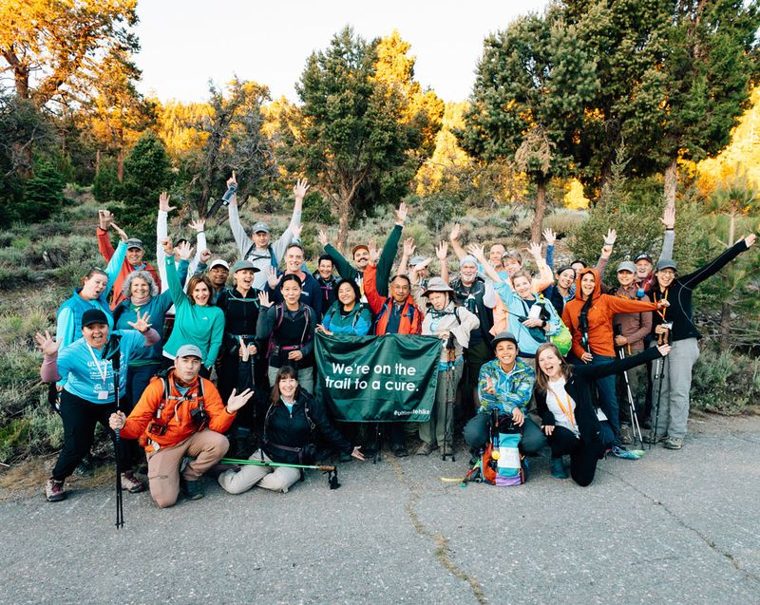
Ultimate Hike participants cheering together on the trail
Kids carrying a banner at a CureSearch Walk
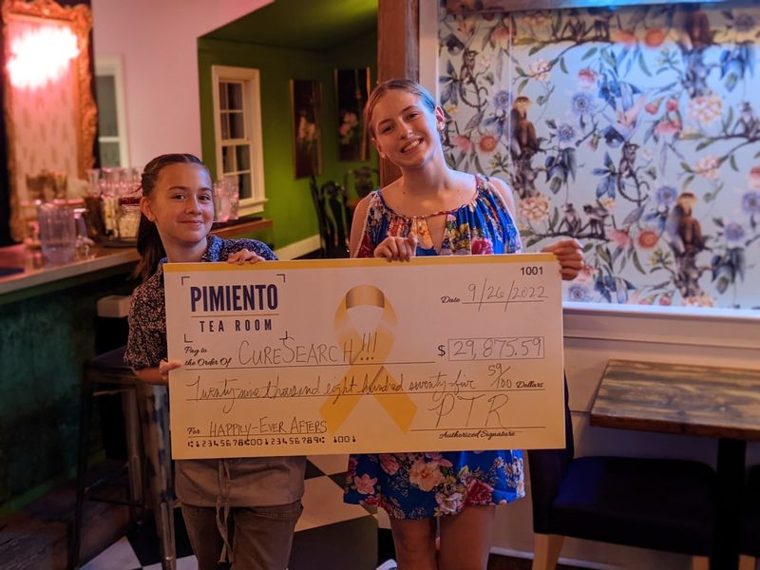
Supporters holding a donation check from a local fundraiser
A young Ultimate Hike participant on the trail
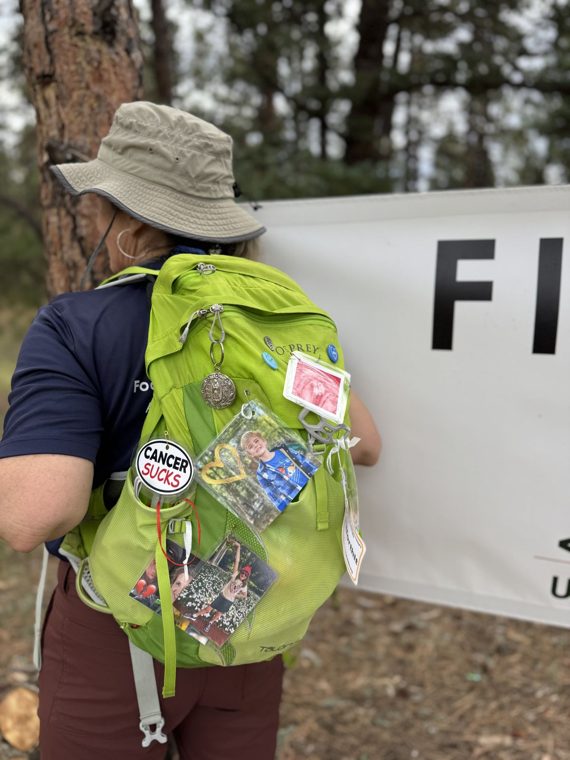
A hiker wearing a backpack covered in CureSearch pins

Share Your Story

Every connection to CureSearch has a story. We’d love to hear yours.

Whether you’ve hiked, given, volunteered, or lived this journey yourself, your story is part of ours.

Share Your Story