
Bone Cancers in Children
Understanding osteosarcoma and Ewing sarcoma.
Osteosarcoma and Ewing sarcoma are the two most common types of bone cancer in children and teens. Ewing sarcoma can also develop in soft tissue. Each cancer has distinct characteristics, and care depends on the specific diagnosis, the tumor’s location, and whether it has spread.
Research and treatment advances have improved survival for many children with bone cancers. For example, the five-year survival rate for children with localized Ewing sarcoma, meaning the cancer has not spread to distant parts of the body, is approximately 70% to 80%.
However, survival varies between bone cancers and even within the same diagnosis. A child’s outlook depends on the tumor’s size and location, whether it has spread, and how it responds to treatment. Bone cancers that spread to other parts of the body, return after treatment, or resist treatment remain especially difficult to treat.
CureSearch funds research focused on the childhood cancers with the greatest need for better treatment options.

-
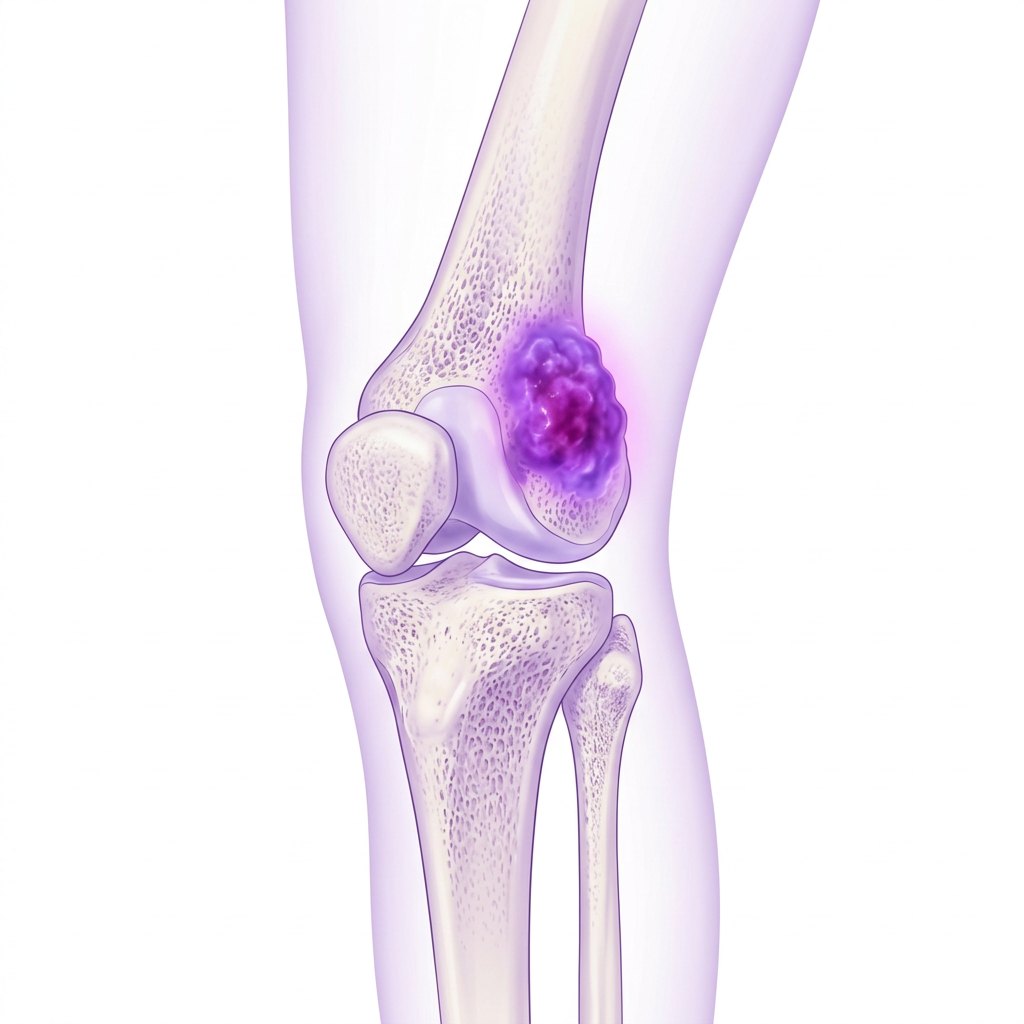
Osteosarcoma
Osteosarcoma develops in cells that form new bone. It most often affects teens and young adults, usually in the long bones of the arms or legs, especially near the knee or shoulder.
-
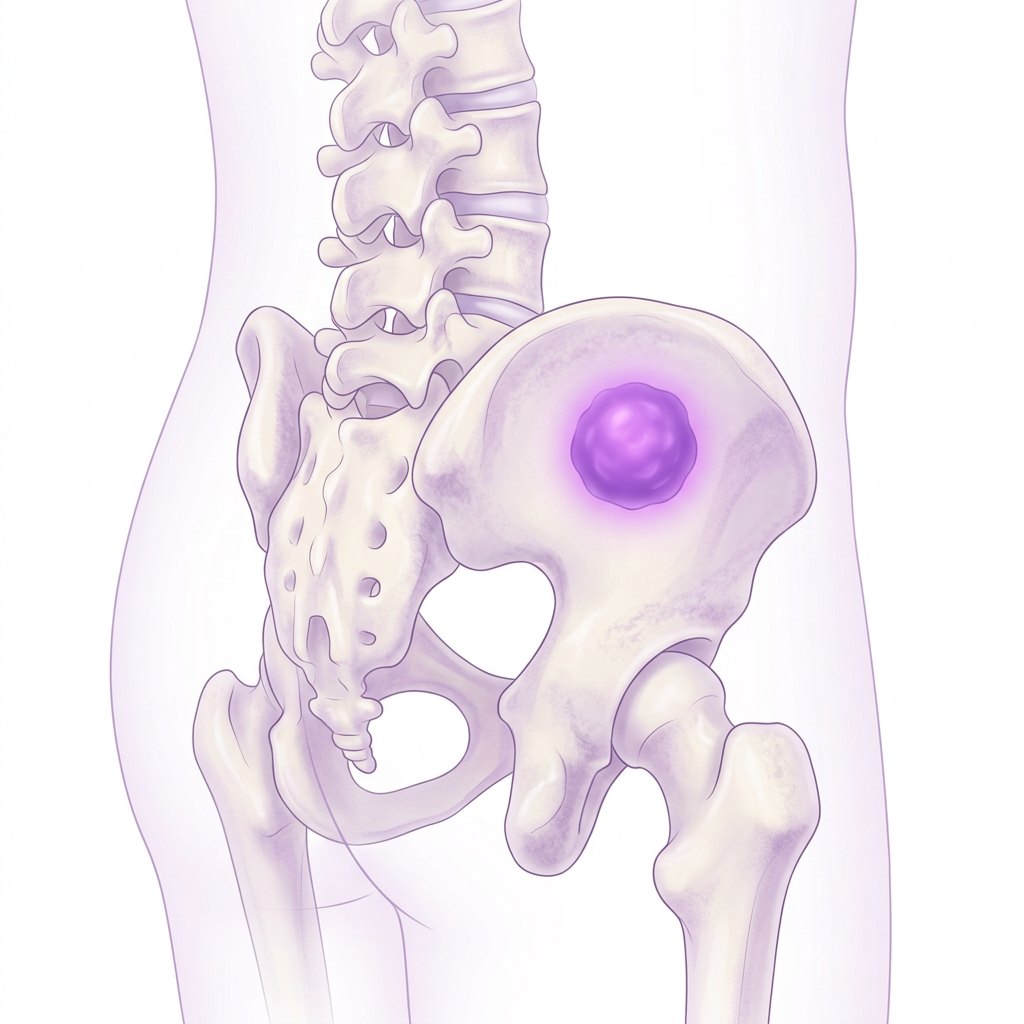
Ewing sarcoma
Ewing sarcoma can develop in bone or soft tissue. It most often affects teens and young adults and commonly forms in the pelvis, legs, or ribs.
Research for better treatments
Bone cancers that spread to other parts of the body or return after treatment can be especially difficult to treat. Even when treatment is successful, survivors may experience lasting health effects. CureSearch funds research aimed at developing more effective, less-toxic treatments for children with these cancers.
Explore our funded bone cancer research
-

Targeting the biology of osteosarcoma
Patrick Grohar, MD, PhD
With support from CureSearch and funding partners, Dr. Grohar’s research examines how a gene called MYC contributes to osteosarcoma growth. His team is studying ways to disrupt this activity, with the goal of developing more targeted treatments.
-
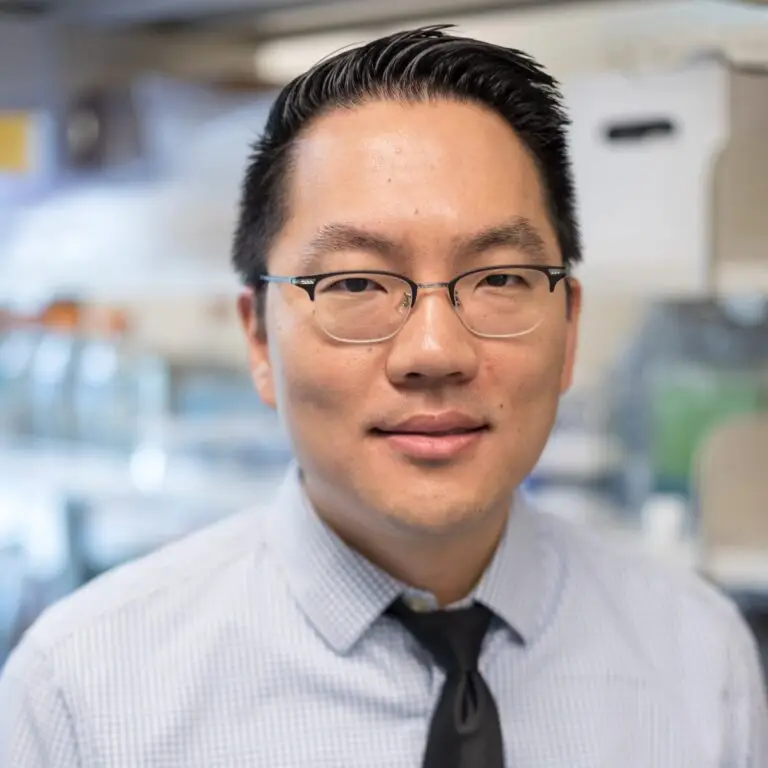
Engineering immune cells to recognize Ewing sarcoma
John Lee, MD, PhD
Dr. Lee’s CureSearch-funded research focuses on engineering immune cells, called CAR T cells, to recognize a protein on Ewing sarcoma cells. His team is testing ways to strengthen their cancer-fighting activity, with the goal of developing a new treatment for advanced Ewing sarcoma.
Make a difference
Help make better treatments possible
Children with bone cancers need treatments that not only fight their cancer but also protect their growing bodies and long-term health. Your gift to CureSearch supports research toward more effective, less-toxic treatments for childhood cancers, including osteosarcoma and Ewing sarcoma. Help move promising science toward better options for children and families.


